Pages

Sunday, May 22, 2016

Llangynidr Mountain

Steph took us up Llangynidr mountain to seek out ponds / lakes on Thursday and we recorded the vegetation we could along the way.


Llyn y Garn-fawr is not as large as depicted on the map - maybe because it now drains into a peaty sinkhole and not into the stream marked on the map. (The stream still exists as it gets fed by water from the area around it.)
But Steph had a rummage around for invertebrates


Common Cottongrass, Plu’r gweunydd or Eriophorum angustifolium was abundant as was its smaller relative, Hare's-tail Cotton-grass

We also visited the Chartist Cave which actually yielded many of the records we made - with several species of fern in the cave and a variety of other plants nearby in the collapsed limestone boulders.


Maidenhair Spleenwort, Duegredynen gwallt y forwyn or Asplenium trichomanes subsp. quadrivalens

Common Sedge, Hesgen gyffredin or Carex nigra

--------------------------------------------------------------------------------------------------------
Last week I was in West Cork for the Bay run from Glengarriff to Bantry - as a spectator I might add. There was plenty to see botanically - they've had a slightly warmer spring than us. And on a favourite beach we saw a lot of this:

Oyster Thief, Colpomenia peregrina

I was able to find it on David Fenwick's excellent site Aphotomarine. See also his flora at Aphotoflora.

This is an interesting seaweed - Wikipedia has the following information:

"Colpomenia peregrina, sometimes referred to by its vernacular names Oyster Thief and Bladder Weed, is a brown seaweed not native to the British Isles, but recorded in Ireland since 1934. It appears to have been introduced from the Pacific and was first noticed in Europe in 1906 on oyster beds."

--------------------------------------------------------------------------------------------------------
Before that I was at Porth yr Ogof and saw this:

False Puffball, Enteridium lycoperdon also called Reticularia lycoperdon

It's a slime mould fruiting body it seems - like a loose bag of goo to feel! On a Hazel trunk. Thanks to Lorraine who found out what it was.

Sunday, May 08, 2016

Old lanes and dandelions

It was a proposal to modify a footpath which came my way that inspired last week's botany outing. Looking at the location on Google Earth I noticed a narrow, right of way, lane between two hedges that looked inviting.
And it was; even if the photo above somehow fails to convey the abundance of Bluebells that it was meant to record.

Sue's pictures:


We set off from Tretower towards the target lane and soon encountered:
Ivy-leaved Crowfoot, Crafanc-y-frân dail eiddew or Ranunculus hederaceus

And, at first unnoticed above this was Mistletoe - not that remarkable but growing on a rather poorly Hazel - a new host for me.
Mistletoe, Uchelwydd or Viscum album

Then, near the Rhiangoll bridge just one plant of:
Meadow Saxifrage, Tormaen y gweunydd or Saxifraga granulata

Hopefully there is more in the area but we didn't see it.

Townhall Clock was frequent in the lane and we also encountered it in a farmland hedge: 
Moschatel, Townhall Clock, Mwsglys or Adoxa moschatellina

Some photos from the lane itself. 
Ground-ivy, Eidral or Glechoma hederacea

Lords-and-Ladies, Cuckoo Pint, Pidyn y gog or Arum maculatum


A Pear tree in a hedgerow

All in all a very satisfactory outing with plenty to see in early May. And we got hot - having regretted slightly not having more layers only a week before.

-------------------------------------------------------------------------------------
I visited Mike Porter after the walk to photograph one of his tame Dandelions:
Taraxacum porteri

And here is another of his that I photographed in late April, having to catch its very short flowering period between about 12 midday and 2 pm in my greenhouse. This one isn't even in the BSBI handbook.
Taraxacum vachelliae. 
Distinct from T. brachyglossum but not yet listed in UK floras / guides.

Sunday, April 24, 2016

Charophytes at Kenfig

Charophytes are a bit of a BSBI anomaly as the society is normally thought of as being "about" vascular plants. But Charophytes look at first glance like vascular plants and are the nearest thing there is to a vascular plant amongst the Algae. Also according to Nick Stewart, the expert who led the workshop, they are "a bit big for algae specialists".

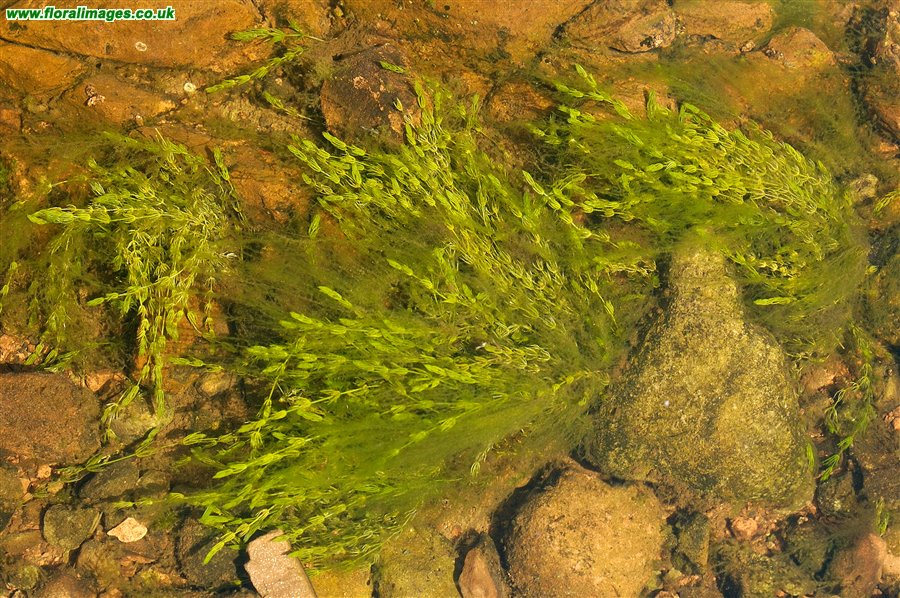
The first Charophyte I ever encountered; at Traeth Mawr near Brecon.
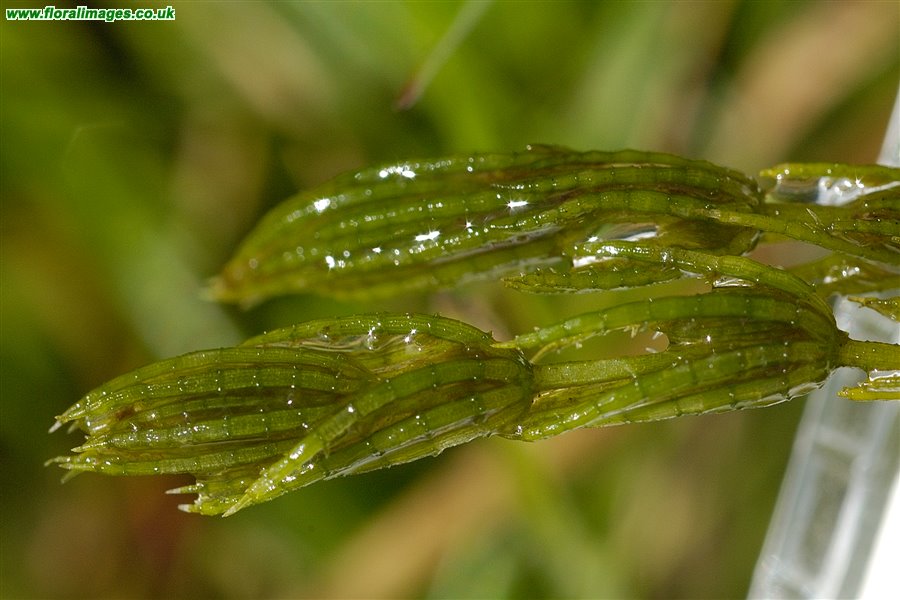
Delicate Stonewort or Chara virgata

So they are sort of the missing link between the terrestrial plants that dominate the modern world and the algae that went before them; tending to lurk low down in the water compared to the vascular species that have adopted water as their habitat due to a lack of structure and buoyancy aids to do anything else.

(This is all horribly simplified - the plants the BSBI concerns itself with are all part of the Archaeplastid kingdom and Algae is a rather lose term.)

Kenfig is always a worthwhile place to go in any case and several Charophytes were found in the afternoon after a morning spent learning about them and peering at their structure with microscopes.

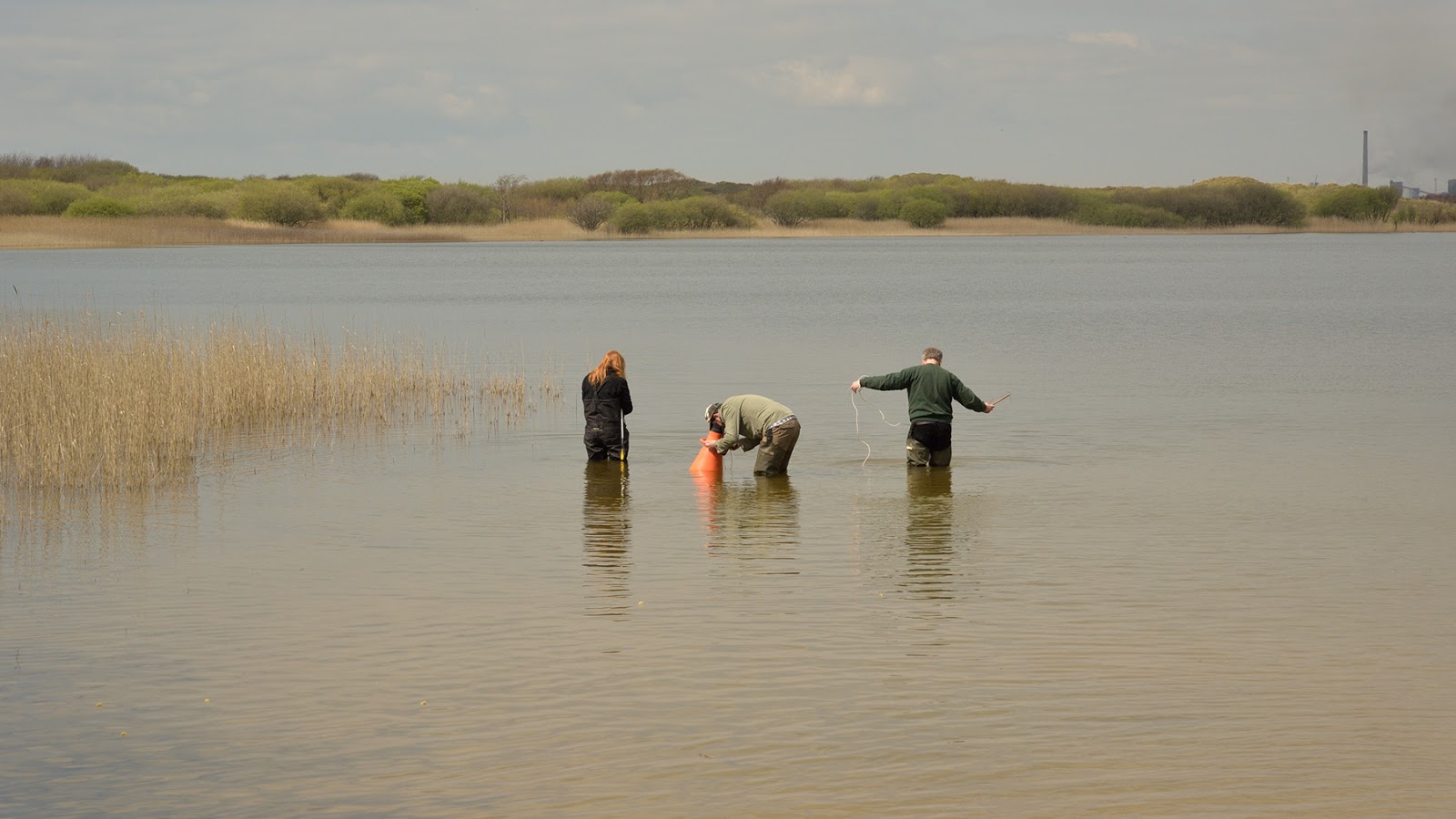
Searching Kenfig Pool

Among those found were:
Clustered Stonewort or Tolypella glomerata

Rough Stonewort or Chara aspera - the "bulbils" that form low down on the plant.

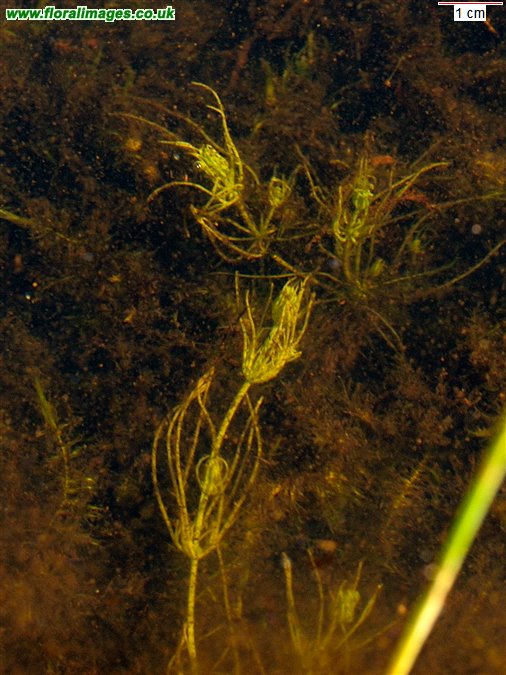
A close-up from Brecon:
 Delicate Stonewort or Chara virgata


Examining the samples from Kenfig Pool (Hannah who organised the event to the left).

Monday, April 18, 2016

A well-managed wood

It was still cold but pleasant conditions otherwise for the first Saturday outing of the group this year. Held Wood near Brecon is open access although private and is noted for sympathetic management. The trees planted are "high value" such as Douglas Fir and Red Cedar. We also found, near where the cars were parked and outside the estate proper a stand of Coastal Redwoods which is, I think, very unusual for Brecknock. (See them here in a well-known plantation near Welshpool.)

So unusual in fact that I am glad Tony took a sample as well as me - he spotted what they must be, with myself taking a wrong turning early in the key and not back-tracking far enough when I realised I had to start again!

The group tree-gazing near the lunch spot.


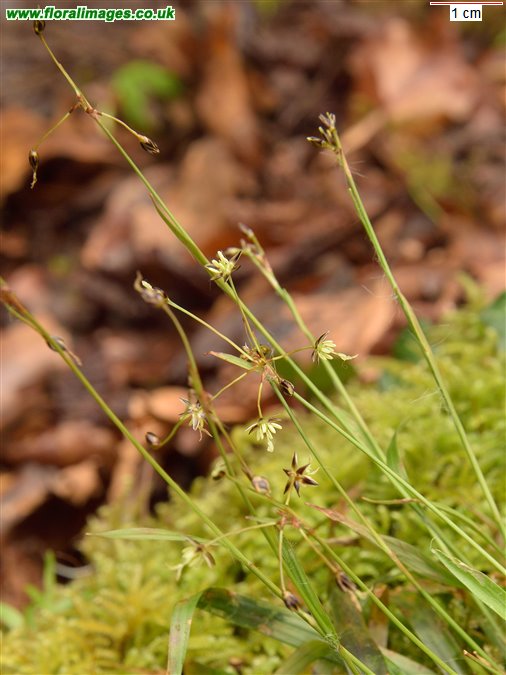
Hairy Wood-rush, Coedfrwynen flewog or Luzula pilosa

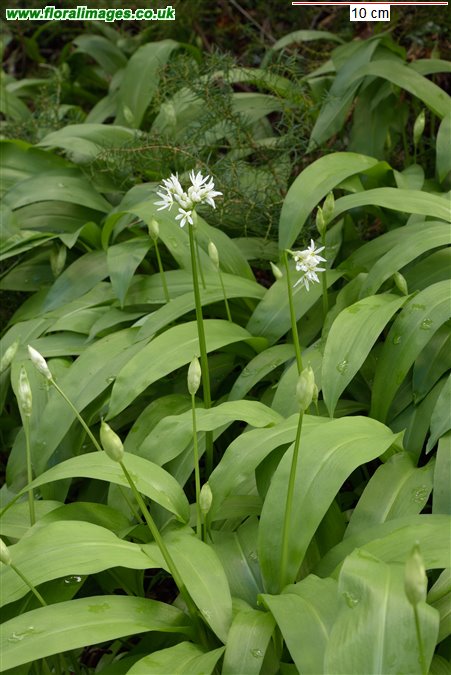
Ramsons, Craf y geifr or Allium ursinum

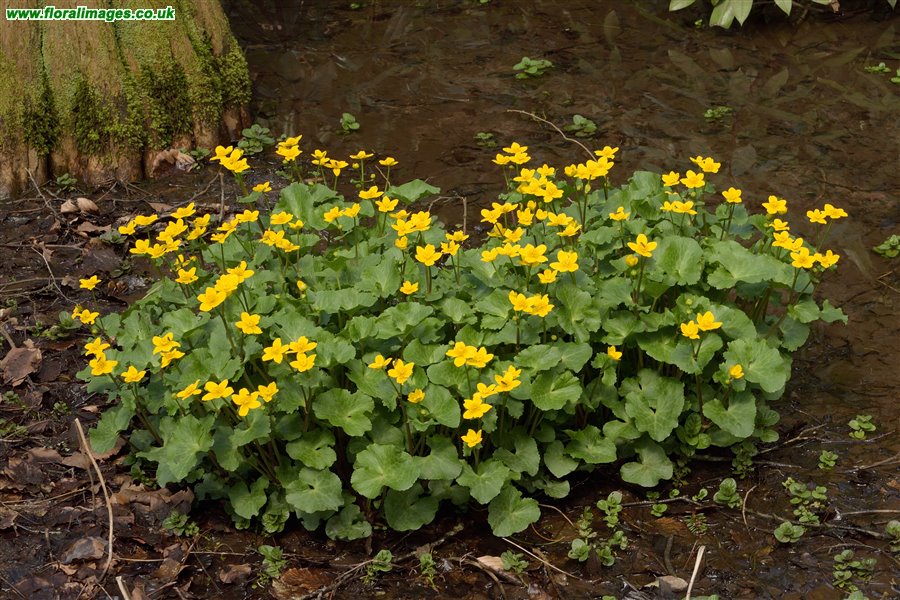
Marsh-marigold, Gold y gors or Caltha palustris

We like to find this whenwever we visit a Brecknock Woodland - and usually do.
Moschatel, Mwsglys or Adoxa moschatellina

Lunch near the location for our first Bellis perennis (Common Daisy) of the year...

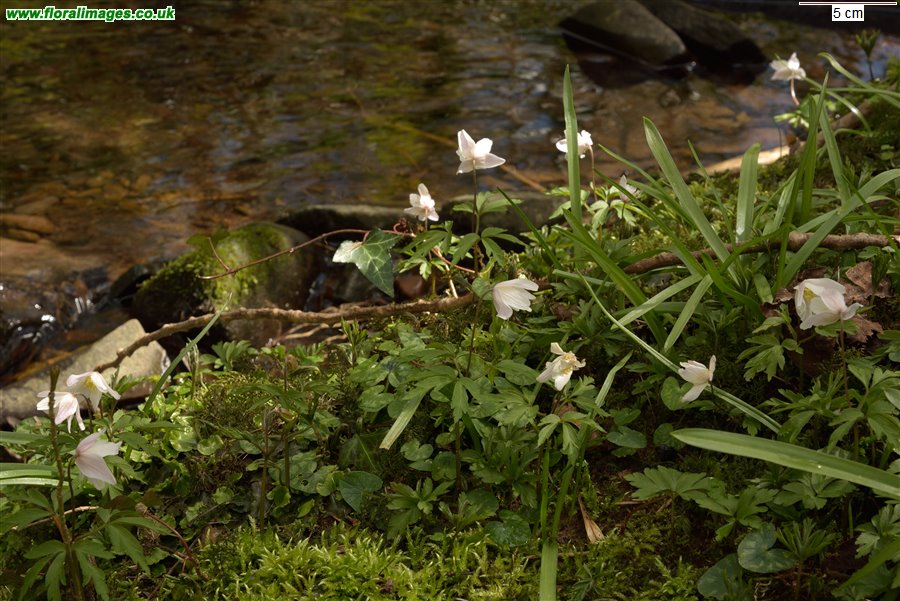
Wood Anemone, Blodyn y gwynt or Anemone nemorosa

Unknown origin - not a native Brecknock plant but growing as if wild.
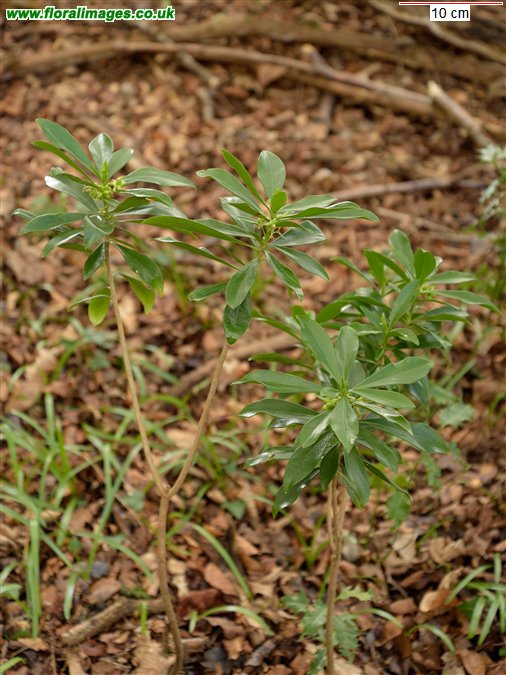
Spurge-laurel, Clust yr ewig or Daphne laureola

Certainly planted (nearer the house).
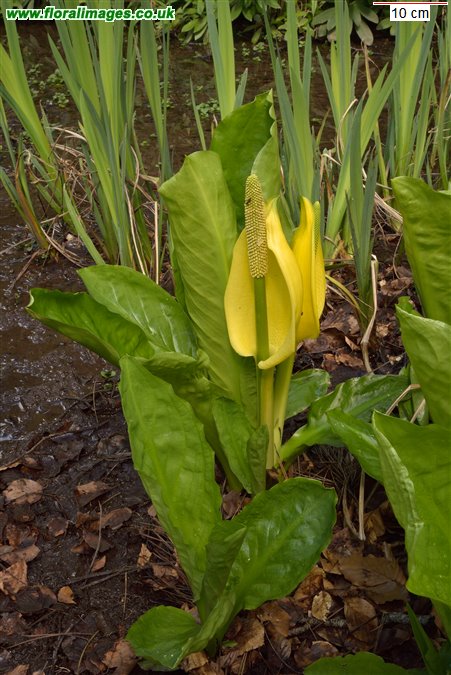
American Skunk-cabbage, Pidyn-y-gog Americanaidd or Lysichiton americanus


Returning past Flowering Currants and Gunnera ("Giant Rhubarb") near the entrance in lovely sunlit conditions.

-----------------------------------------------------------------------------------------------------

A few days earlier, Steph Coates showed me this near the Brecon visitor centre. Likely to be flowering in a pavement near you now (certainly is in Hay).
Rue-leaved Saxifrage, Tormaen tribys or Saxifraga tridactylites

Saturday, April 09, 2016

Weather

It's difficult choosing the right day at this time of year and the forecast was changing every time I checked in the days leading up to last week's expedition to northern Brecknock. Despite arriving at the start point by Y Garth hill in pouring rain, we had an enjoyable day with worthwhile finds and the promise of more to find later in the year when we plan to revisit this area that has not been recorded recently.

But it really was as though winter was only just reluctantly passing in this area which I now realise my rather shaky geographical knowledge had failed to identify as the south eastern edge of the Cambrian mountains.

So in no particular order:
This really was Blackthorn (see last month's blunder.)
Searching for identifiable plants near the stream.
A wet period
Of course the lichens and fungi were amazing
Examining a Polypody

Usnea lichen in the woodland - many of the Oaks were bedecked with this and other lichens in the higher branches - some of which had fallen.


A lichen - laden Hawthorn

Hairy Bitter-cress, Berwr chwerw blewog or Cardamine hirsuta

We spent most of the day saying we hadn't seen any Primroses or Violets (apart from a very few leaves of the latter). But then approching the end I saw a very sorry looking Primula plant with no flowers only to find that nearby in a sheltered flush there was this display of Primrose with Opposite-leaved Golden Saxifrage (which we had been seeing all day). We had also just before this found some (Common dog-) Violets sheltering under grass.
Primrose, Briallen or Primula vulgaris

It would be good if someone buys this woodland and manages for ground flora - it was very heavily grazed.

An orange fungus in the wood.


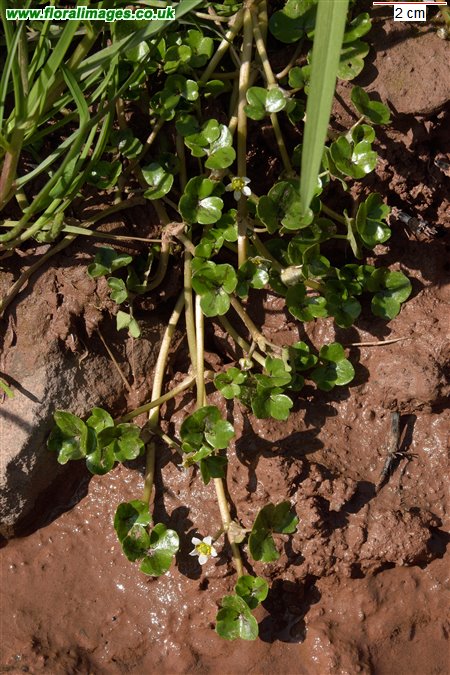
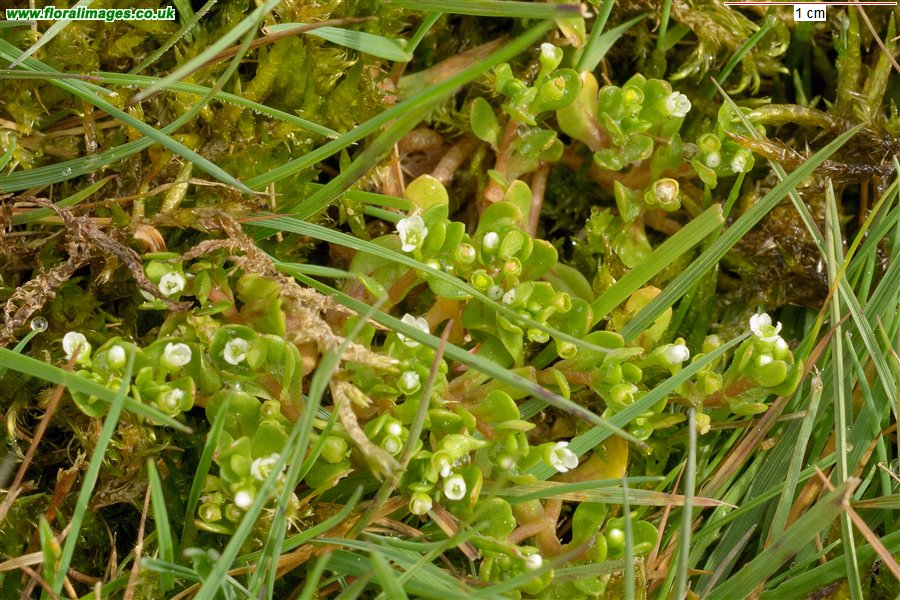
Blinks, Porpin y ffynnon or Montia fontana
This was a new species for all my companions - the picture is from Brechfa Pool in a previous year. Our plants had buds that were only just breaking with a tiny show of white. Definitely a worthwhile find.

Thanks to Sue and Anne for many of the above pictures.
----------------------------------------------------
And is Hay last week I snapped with my phone this which just turned up in a pavement:
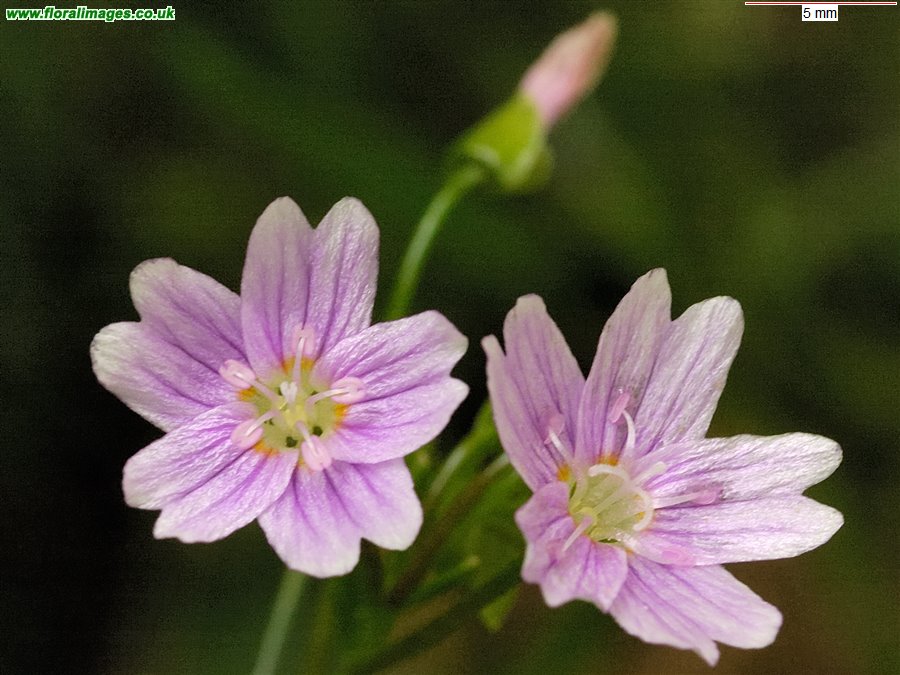
Springbeauty, Porpin y gwanwyn or Claytonia perfoliata
It hasn't been recorded in the county before I think but isn't a native. Here is a better picture from Weston-super-Mare:
I have noted this being included in posh salad mixes (eg at Talgarth Mill) so growing for this purpose is probably the source. Of course we have plenty of this close relative:
Pink Purslane, Porpin pinc or Claytonia sibirica