Pages

Saturday, August 06, 2016

Plantains and Mallow - and more

I start with the Plantago coronopus that recently found its way into the county. These pictures are taken of my plant which I grew on from a small identification sample. It's fascinating to see how Plantains (at least this one) behave.

The flowers are not, as we all know, very showy most of the time - apart from when you happen upon Common Plantains that have anthers deployed.

My Buck's-horn in captivity suddenly put out these long styles a fortnight ago - ready to receive pollen.
Buck's-horn Plantain, Llyriad corn carw or Plantago coronopus

Then almost exactly a week later the anthers appeared. This will be a mechanism to encourage cross-pollination - the styles have a whole week to receive pollen from other plants that might be a little ahead.

I went back to a previously botanised area near Tretower to check on some plants I wasn't quite sure of the exact identification of in May and also found several we hadn't seen then like this Figwort:
Water Figwort, Gwrnerth y dŵr or Scrophularia auriculata

There was as great show of Marsh Woundwort in the area near the watercourses as well - we had seen leaves in May we thought were Stachys but hadn't been sure which one. In the event both this and Hedge Woundwort were evident in the area.
Marsh Woundwort, Briwlys y gors or Stachys palustris

And I called in to photograph a plant first found by my colleague, Mike, several year's ago - still there by Cwmdu wall and we don't have many records for it.
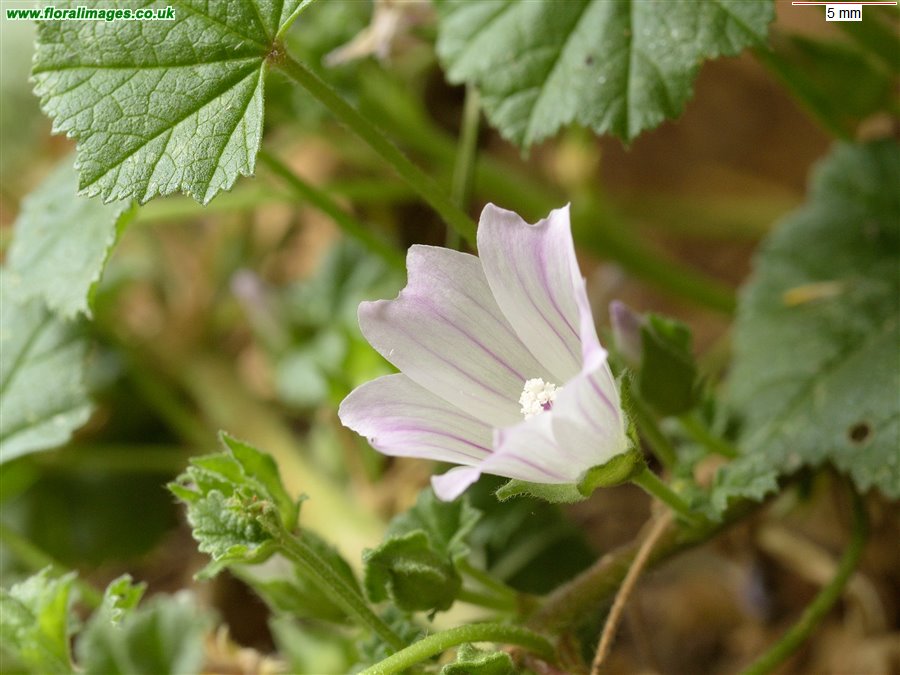
Dwarf Mallow, Corhocysen or Malva neglecta
Maybe there is a clue in the Latin name - "neglecta" certainly suggests a plant that gets overlooked.

And finally to Allt Rhongyr for some recording in the vicinity and then to help with a survey to assess the condition of the reserve helped by volunteers. We did one transect and recorded the species present in two fixed quadrats. My impression was that the reserve is coming on nicely and we certainly found plenty of good indicator species in the transect quadrats and few of the more negative ones.
Working on a fixed quadrat on the limestone.

Saturday, July 30, 2016

Not the Welsh AGM!

Although the BSBI Welsh AGM (see blog post) has dominated my thinking up to mid July, the botany group have found time for other activities.

With one of my children now living near Caterham we found ourselves on Farthing Downs on a rather wet day in June but I couldn't resist photographing locally abundant (but nationally rare) Greater Yellow-rattle. There is a lot more to be seen in the area when I have time...
Greater Yellow-rattle, Cribell felen fawr or Rhinanthus angustifolius

Also in June, the botany group did some exploration high above the Nant Irfon on Abergwesn Common (National Trust land) where we enjoyed wonderful views and also made a good set of records in this relatively unexplored area.


Galium saxatile and Veronica officinale. Heath Speedwell and Heath Bedstraw making a nice show on Abergwesyn Common

In the recent hot weather we went to Craig y Nos for a relatively cool woodland walk where I took the opportunity to photograph a "Brecon" Meadow Crane's-bill in the meadows there:
Meadow Crane's-bill, Pig-yr-aran y weirglodd or Geranium pratense

And we also escaped the heat by going to the Black Mountain Quarry area. This is over in neighbouring Carmarthenshire but I had always wanted to see this "other side" of our big hill in the south west of the county.

Thyme was abundant in the grass.
Wild Thyme, Teim gwyllt or Thymus polytrichus

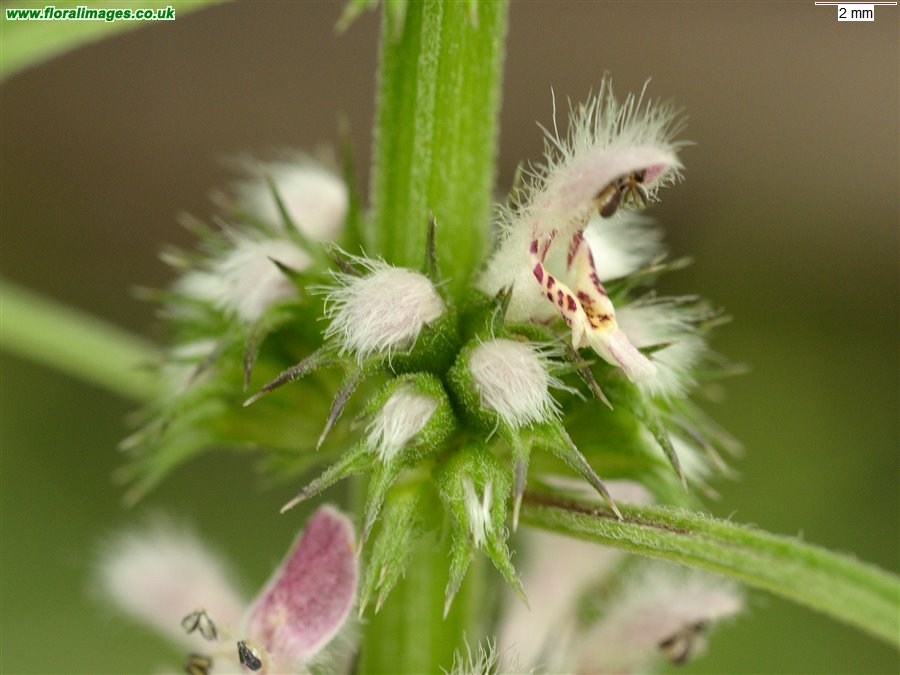
And here is a picture of the flowers of "Motherwort" - not really wild but then the owner of the garden didn't plant / sow it either. Seen near Hay up on the Black Mountains.
Motherwort, Mamlys or Leonurus cardiaca

And recently we did a survey on some Woodland Trust meadows near Sarnau just north of Brecon, finding a rich variety of species and learning our botany as we went from one sampling site to the next. (We did 70 quadrats in all in the day.)


Lunch between doing field 1 and field 2.

And exploring Craig y Cilau for a suitable route for a forthcoming U3A Geology group trip we found this excellent example of eroded Glacial Till just where it was marked on the Geological map. Unfortunately the paths to go this way were not suitable for the meeting itself.

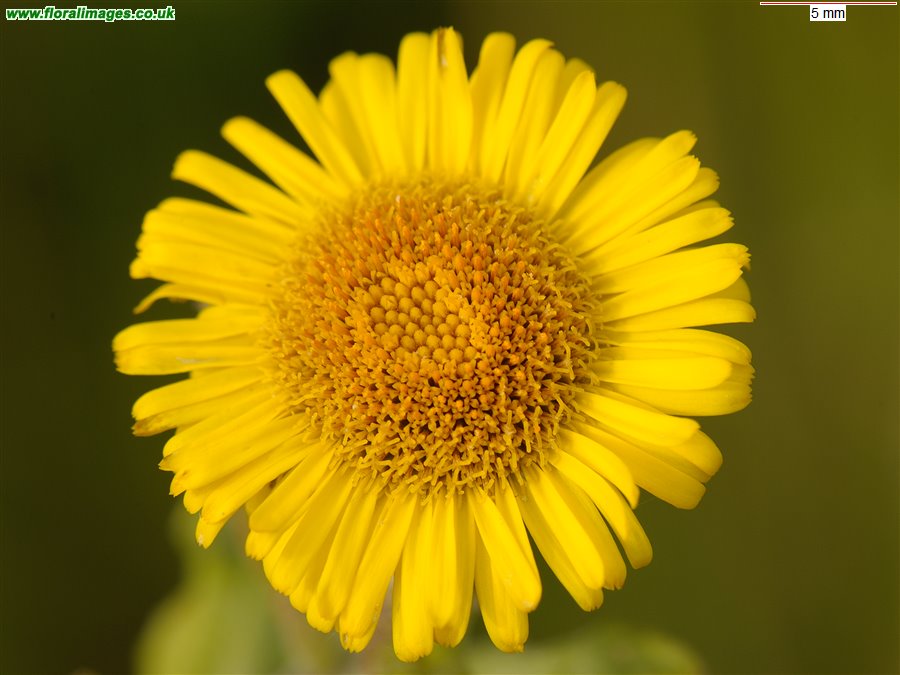
Most recently I joined Phil Sutton of Brecknock Wildlife Trust surveying the Cae Eglwys Reserve (near the Woodland Trust site above as it happens). This reserve is coming on well and results showed a good improvement in the "right" species. I didn't take photographs that day but photographed this Fleabane there a few years back:
Common Fleabane, Cedowydd or Pulicaria dysenterica

Phil photographed this Marsh Orchid there earlier in the year:

BSBI Welsh AGM at Brecon

The Welsh section of the Botanical Society of Britain and Ireland holds an AGM Field meeting every year somewhere in Wales and this year was the first occasion for some time that the Brecknock area was host. (The formal business is soon dealt with and most of the meeting is about botanists getting together, field meetings and food.)

 I'll start with a couple of the pictures I took while out with members of the botany group checking the routes of the proposed field visits.

Llangorse was a natural choice for a field visit - it has a large proportion of our rarer species growing in and around it and always has surprises in store for a visiting botanist.

Joan and I were surprised to see a lot of Veronica catenata all around the periphery of the lake. It's normally found there somewhere but not usually in great abundance or, for that matter, particularity large plants. This year was different.
Pink Water-Speedwell, Graeanllys-y-dwr rhosliw or Veronica catenata
Here showing swollen fruits (galls) caused by Gymnetron villosulum beetle larvae.

We also saw Celery-leaved Buttercup
Celery-leaved Buttercup, Crafanc yr eryr or Ranunculus sceleratus

The meeting proper started on the Tuesday afternoon but some arrived early and explored the area around the Ogof Ffynnon Ddu National Nature Reserve high up above Craig y Nos and Penwyllt where the limestone pavement supports some rare communities of plants. They first found Green Spleenwort there:

and later found it was a relatively common plant in the limestone.

Green Spleenwort, Duegredynen werdd or Asplenium viride

Here Martyn is pointing out a Lily of the Valley plant deep in a limestone "gryke". This is just one of the rather unexpected species to be found in the area.

Lily-of-the-valley, Lili'r dyffrynnoedd or Convallaria majalis

Meanwhile several of the visitors were setting up their exhibits at The Barn at Brynich - our venue for the meeting.


Andy Shaw in particular had an impressive display of the many rare plants he has in cultivation.

With this tray having some particularly difficult to find in the wild specimens:

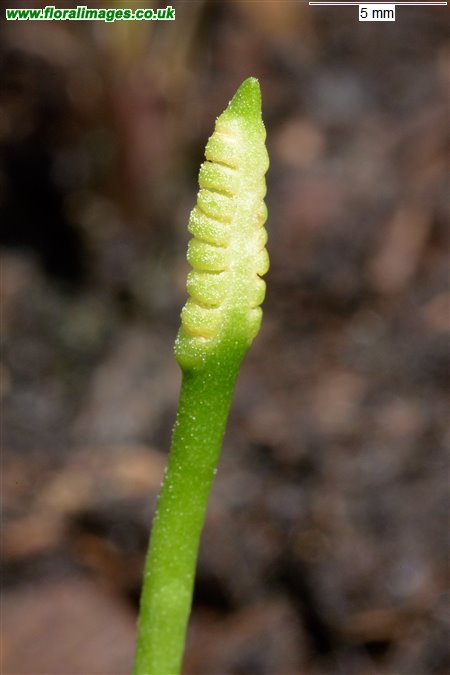
Perhaps the star being this fern found only at a few South Western coastal sites.
Small Adder's-tongue, Tafod-y-neidr bach or Ophioglossum azoricum

The next day (after the formalities of the AGM in the early morning) groups set out to explore Vicarage Meadows, Cwm Cadlan and Stanner Rocks.

Here are some pictures of the group at Vicarage Meadows.


Walking through the abundant Dyer's Greenweed

Dyer's Greenweed, Melynog y waun or Genista tinctoria

(The group who went to Ogof Ffynnon Ddu National Nature Reserve saw this much more rare close relative on the Tuesday)
Hairy Greenweed, Corfanhadlen flewog or Genista pilosa

(I don't have pictures of the Cwm cadlan and Stanner vists but plenty was seen at both.)

On the Thursday most of the delegates went to Llangorse (the few exceptions mentioned below...)

And some of those went out on boats to sample the plants growing in the water.

The "professional boat"

The "amateur" boat (including myself taking the picture).

We saw:
Ivy-leaved Duckweed, Llinad dail eiddew or Lemna trisulca
and
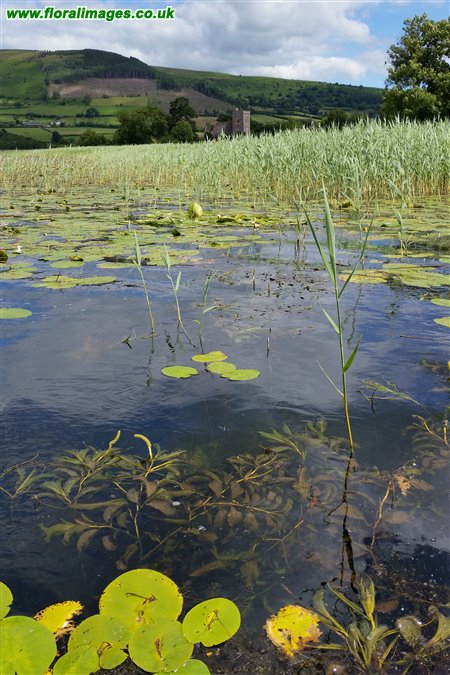
Yellow Water-lily, Lili'r-dwr felen or Nuphar lutea
with, in the background:
Fringed Water-lily, Lili’r-dŵr eddïog or Nymphoides peltata
(The White water lily was also seen.)

But some serious work was done, finding two Charophytes and a variety of the leafy pond-weeds.

Shining Pondweed, Dyfrllys disglair or Potamogeton lucens

And we had a distant view of the other small party up on Cribyn and Pen y Fan seeing the Attenborough's Hawkweed and other gems on  the steep cliffs. (They are not quite visible in the picture below...)

(Taken from the boat when the party would have been on Cribyn - they had perfect weather as we did.)
Ray Woods came along later to join the land party at Llangorse but didn't catch up with them. He did however re-find this which had not been recorded since the 1990s.
Mare's-tail, Rhawn y gaseg or Hippuris vulgaris

Over the four days 1150 records for the county were made by BSBI botanists - a welcome contribution to our recording effort especially as the list included species we local recorders had missed. Amongst these records are 35 updated since before 2000 and 11 that had not been seen before in the area*.

Many thanks to the photographers who contributed many of the pictures above.
-----------------------------------------------------------------------------------------------------------------------
*Hectad or 10km square

Sunday, June 19, 2016

A quick catch up

It's not that we haven't been botanising - but I have not found time to post since the weather came good! Here is a brief summary of recent Brecknock Botany:

We've been finding plenty of this this year. As with most annuals there is a variation in abundance from year to year and this seems to be a good one:
Changing Forget-me-not, Sgorpionllys amryliw or Myosotis discolor

Seen on a farm above Hay and on the Epynt among other places.

And what seems to be a new record for the 10km square on Epynt was this little easily-overlooked gem:
Slender Trefoil, Meillionen hopysaidd eiddil or Trifolium micranthum

I saw this in a hedgerow near Sarnau:
Sherard's Downy-rose, Rhosyn Sherard or Rosa sherardii

And we were taken by the showy capsules of Marsh Marigold on the farm aboive Hay:
Marsh-marigold, Gold y gors or Caltha palustris - fruits both opened and closed

Some pictures from Sue's camera from the meadows near Hay:


------------------------------------------------------------------------------------------------------------------
And finally - nothing to do with Brecknock wild plants - I sowed seed of this South African plant over 10 years ago and it has finally flowered:
Angel's Fishing Rod in this case Dierama luteoalbidum (Family: Iridaceae)

I like Angel's Fishing Rods but wanted a non-purple species - this is it - allegedly rather frost tender for this country, but it survived an unheated greenhouse in Hay over the last eight years (outside in the summer).