Pages

Saturday, August 16, 2014

Not a lot to report except...

Keith Noble has spotted a Small Blue butterfly (Cupido minimus) near Brecon:
"A worn female Small Blue, which, going by the Millennium Atlas, is the first Powys record."

This, I read, is our smallest resident butterfly with a wing span that can be a little as 16mm. Unfortunately this specimen may be a long way from it's sole larval food-plant, Kidney Vetch (Anthyllis vulneraria), which is only known to we botany recorders at a few sites on the limestone at the south of our county. It may be that we have a population of this, often coastal, plant nearer though - perhaps on a road verge site where seeding has been done and limestone used. However what I know about butterflies wouldn't fill a postage stamp in large print so let's hope this isn't the last sighting.
Kidney Vetch, Anthyllis vulneraria which I have only ever photographed in coastal locations such as The Burren in Ireland
Heaven for a Small Blue

We postponed the planned expedition to the Black Mountain this week due to poor weather and hope to make it there next week so I decided to walk the bridle way from Brecon to Y Gaer yesterday and got a lot of records - none spectacular. But sometimes a picture opportunity just presents itself in front of your camera as happened here while I was eating my lunch near Cradoc on the way back.
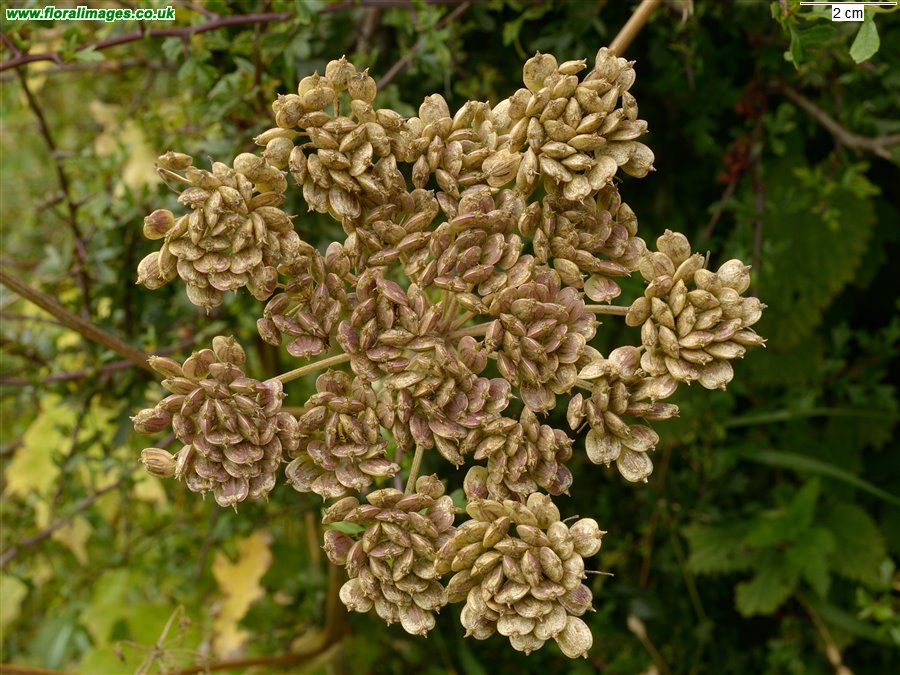
Hogweed or Efwr, Heracleum sphondylium

The camera was out of my bag to record this new viewpoint of the Beacons for me:

I'm also on the lookout on days like that for updates to common species where I feel I haven't yet got a really good picture so I tried to get one of plentiful Bittersweet here:
Bittersweet ir Elinog, Solanum dulcamara
Still not the picture I am seeking !
another in the same vein:
Meadowsweet or Erwain, Filipendula ulmaria
at least I have anthers covered now...

Friday, August 01, 2014

Brambles, Roads and Car Parks

I spent three days in North Wales on a Brambles Course last weekend. They are now slightly less of a mystery than they were but I'm only starting on a difficult road if I am going to get to recognise easily even the more common of about 500 species !

Rubus ulmifolius - the only sexually active species and quite common
(one I ought to get familiar with)

I have many more pictures from this course on floralimages.uk but won't burden this blog with any more!

On Wednesday the group (well two of us) went along to help Steph record a long Road Verge Nature Reserve near Henrhyd Falls. While waiting at our rendezvous in Brecon at the BBNP Car Park (police Car park also) I noticed a good stand of the newly named Knapweed I featured last week. So anyone who wants to examine this species can go along and see it easily there...

Slender Knapweed, Centaurea debeauxii at the at the BBNP Car Park in Brecon

At the roadside near Henrhyd we found many interesting things including:

Common Hemp-nettle or Y benboeth, Galeopsis tetrahit
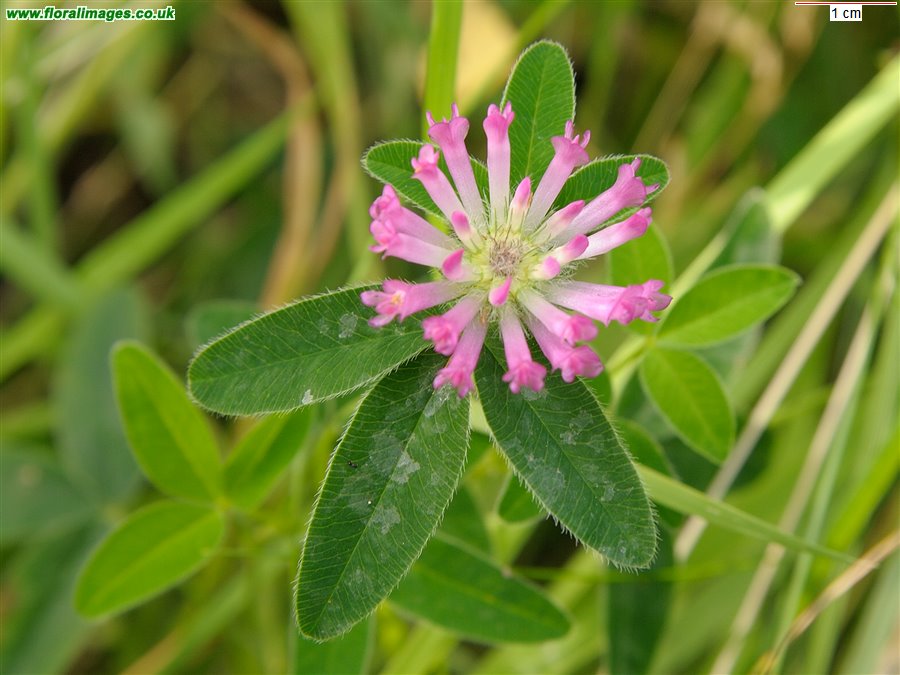
Zigzag Clover or Meillionen igam-ogam, Trifolium medium
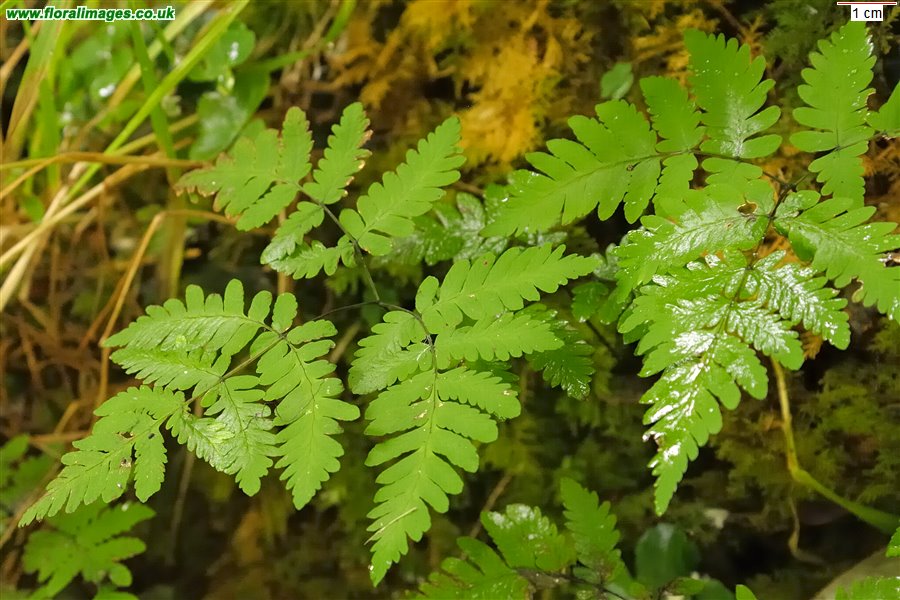
Beech Fern or Rhedynen gorniog, Phegopteris connectilis

Thursday, July 24, 2014

Catching up

... with reporting what we have been doing. "We" are the Brecnockshire Botanical Recording Group and it's a busy time. So taking my pictures in order:

Two weeks ago we met up with the Monmouthshire Botanical Recording  Group to explore our common border at Tarren yr Esgob (near Capel y Ffin, which means "Chapel on the border"). It was quite a climb / scramble to get up to the botanically-rich crags where the rare Sorbus (Whitebeam) shared by only our two counties grows:
Llanthony Whitebeam or Cerddin Ewyas, Sorbus stenophylla

This is also one of only two Sorbus species so far discovered that are pentaploid (have five sets of chromosomes per cell) - the other grows at Craig y Cilau, also in Brecknockshire.

Up there we encountered many lime-loving plants - in an area where the Geological map does not mark any limestone but there are "calcrete" layers marked nearby. Anyway the vegetation speaks for itself and is finding the water seeping out of the rocks to its taste. This included a fine selection of the more delicate ferns:
Beech Fern or Rhedynen gorniog, Phegopteris connectilis
Limestone Fern or Rhedynen y calchfaen, Gymnocarpium robertianum
(Note these two are growing together in this instance.)
Oak Fern or Rhedynen dridarn, Gymnocarpium dryopteris
... actually seen only in Monmouthshire at Tarren yr Esgob - but this picture is from the Grwyne Fawr Valley in Brecknock which I visited two days later.

And we were pushing our way through large swards of this:
Lemon-scented Fern, Oreopteris limbosperma

Then last week we went to a farm on the banks of the Wye near Hay to walk part of an old railway line and look at some ponds. The species I photographed were:
Welted Thistle or Ysgallen grech, Carduus crispus
I've only knowingly seen this a few times. I suspect I will be recognising it more in the future after Mike Porter pointed this one out.
Blue Water-Speedwell or Graeanllys y dwr, Veronica anagallis-aquatica
(Or maybe a hybrid of the same - Mike Porter is working on that one.)
Chicory or Ysgellog, Cichorium intybus
A solitary plant on the side of a field.
Scentless Mayweed or Amranwen ddi-sawr, Tripleurospermum inodorum
Edging a field planted with a fodder mix.
Slender Knapweed, Centaurea debeauxii
(A newly segregated species that we are only just starting to get to grips with.)
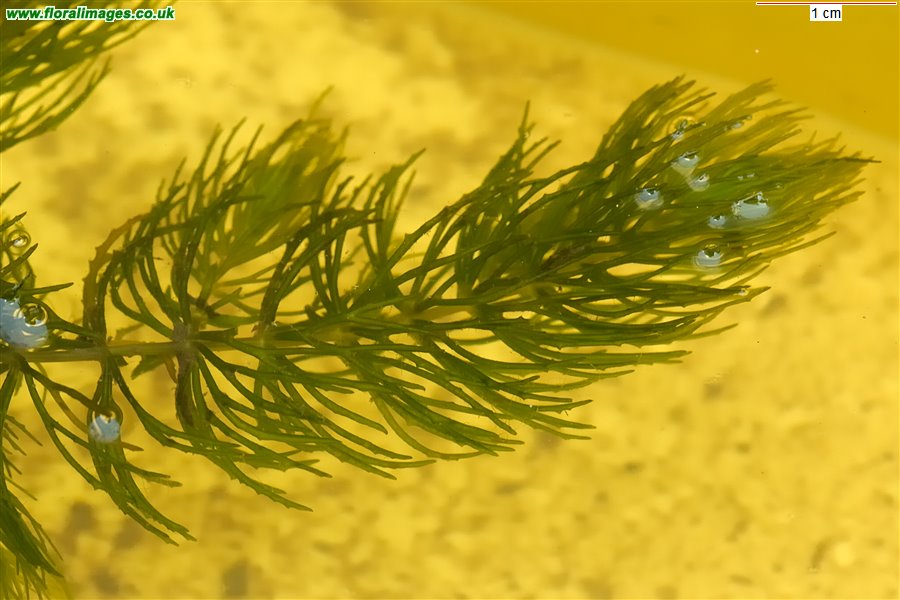
Rigid Hornwort or Cyrnddail caled, Ceratophyllum demersum
In one of the ponds.

... Many more were seen and recorded.

Monday, July 14, 2014

Meadows of all types and a parasite

Last week two of us set out to explore and record at Cwm Cadlan National Nature Reserve - with ambitious plans to go through the reserve; out onto the common and back by another route.

In the event we had hardly got 200 yards from the car by lunchtime - there was so much to spend time on and investigate.

The marshy grassland found at Cwm Cadlan is unusual as lime-rich spring water flows through the reserve, creating alkaline habitats in amongst the more acid ones.

Marsh Lousewort or Melog y waun, Pedicularis palustris was present in the marshy meadow near the entrance in grater numb ers than I have ever seen before. (This isn't a picture from Thursday...)

And we were just in time to catch the last of the Fragrant Orchids - which are also plentiful there:

Fragrant Orchid or Tegeirian pêr, Gymnadenia conopsea - approaching the airfield after a sortie... (this picture was taken on the reserve)

Then on a higher meadow (just below the common) we found several different species of Marsh Orchid, some a little past their best including:
Southern Marsh-orchid or Tegeirian-y-gors deheuol, Dactylorhiza praetermissa.

Many other species were recorded; we covered a third (or less) of the reserve and repeat visits to the area are definitely required.

Then on Friday, Mike alerted me to a good stand of Ivy Broom-rape right in the centre of Brecon which I visited on the way back from our meeting at Berthlwyd Farm on Saturday:
Ivy Broomrape or Gorfanhadlen eiddew, Orobanche hederae in the trees between Brecon Hospital Car Park and the main road.

The joint BSBI / BWT meeting at Berthlwyd Farm went well with 16 of us botanising in meadows full of, in particular, Great Butterfly Orchids.

Picture by Steph Coates

A good list of species was recorded and five of us went to the New Inn in Ystradfellte for Cream Tea afterwards. Some went on to see waterfalls. A great area of the county for all these pursuits.

Saturday, June 28, 2014

Back to Normal

I've been away at the BSBI Welsh AGM and then busy with leading a walk in a reserve followed by some Geology around Tenby so it was nice to get back to some botanical recording on Thursday accompanied by members of the Brecknock Botanical recording Group, my co-recorder, Mike Porter, Steph Coates and Paul Green.

We were exploring Cae Bryntywarch Nature Reserve (Brecknock Wildlife Trust) in the hope we might refind Small White Orchid in the second site in the county where it has been seen in the last few decades. There was no luck with this and sadly several choice species previously seen at the reserve were no longer present, including Dyer's Greenweed and Butterfly Orchid. However, Carex montana was still well-established, if long-past flowering:

Soft-leaved Sedge, Hesgen feddal or Carex montana

There was plenty of Wood-Bitter-vetch:
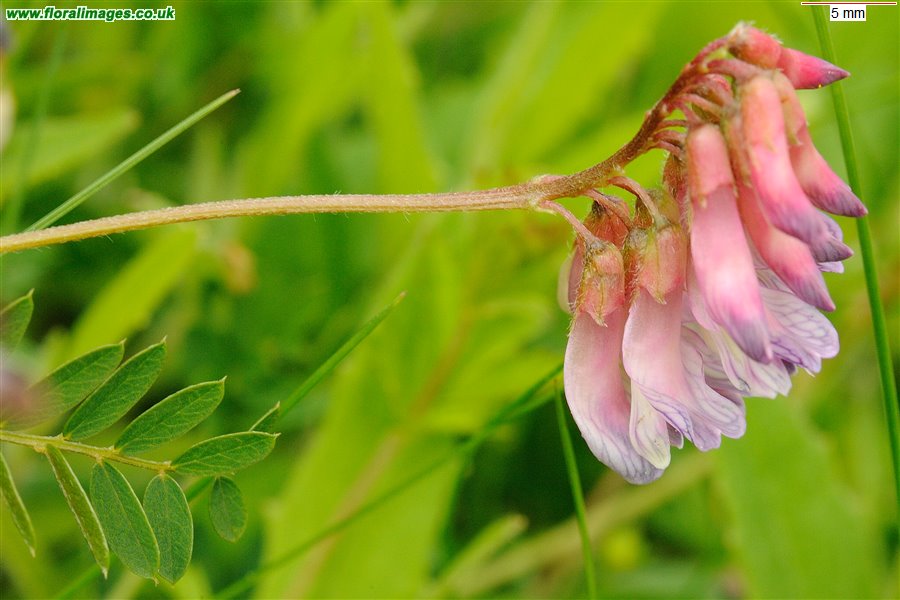
Wood Bitter-vetch, Ffacbysen chwerw or Vicia orobus
some still flowering but much more with seed pods. (The above not taken this year...) Great Burnet was abundant as was Betony and many other good things which made the conundrum of the disappearing species even more baffling.

By the time we had explored the lanes around the list stretched to nearly 200 different species (slightly fewer if you discount the subspecies my more-expert colleagues were pointing out) and we scored a full set on my recording card of Dryopteris ferns (ie all the ones I expect to find at all often in Brecknock - five in all).
Tormentil, Potentilla erecta subsp. strictissima (a rare subspecies of a common plant)
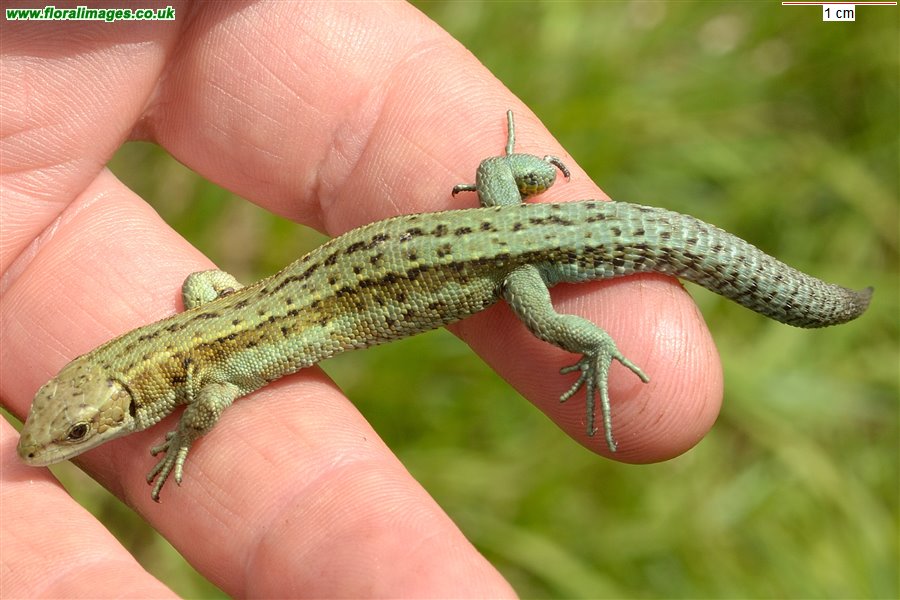
Plus this cooperative and photogenic lizard.

And I took this in the car park in Brecon from which we shared cars to the reserve...

A gallery from the Welsh BSBI AGM and Tenby
Sea Spleenwort, Duegredynen arfor or Asplenium marinum high above the beach at Saundersfoot
Greater Knapweed, Y bengaled fawr or Centaurea scabiosa at Skrinkle Haven
Lesser Centaury, Y ganrhi goch fach or Centaurium pulchellum at Newport Wetlands Centre
Narrow-leaved Bird's-foot-trefoil, Lotus tenuis probably introduced in a seed mixture at Newport Wetlands Centre
Lily-of-the-valley, Lili’r dyffrynnoedd or Convallaria majalis at Black Cliff Wood
Geology at Saundersfoot...

Saturday, May 31, 2014

Pwll y Wrach always delights

I joined the some of the Powys Road Verge Nature Reserve volunteers for their annual joint outing at Pwll y Wrach yesterday. This is billed as Brecknock Wildlife Trust's most popular reserve and deservedly. In my experience it always has delights in store at any time of year.

Possibly yesterday's highlight was the largest population of Hard Fern I have seen - looking magnificent in the dappled sun. I don't suppose this photograph does full justice...

Hard-fern, Gwibredynen or Blechnum spicant

We were also pleased to encounter Water Avens (or maybe its hybrid with Wood Avens) on the climb up to the waterfall.

This probably is is Hybrid Avens, Mapgoll groesryw or Geum x intermedium

And we saw much more - including on the road verge on our return - it's one of the verges in the scheme.

Monday, May 12, 2014

Another very hasty one

Here are some pictures of Fedw Wood, which was well worth braving the rain for. (the rain soon stopped as well.)


The bluebells were very good but not a lot else in the understory. There were interesting trees though - a regenerating Wych Elm and an assortment of Birches including these magnificent ones - with very fissured bark:


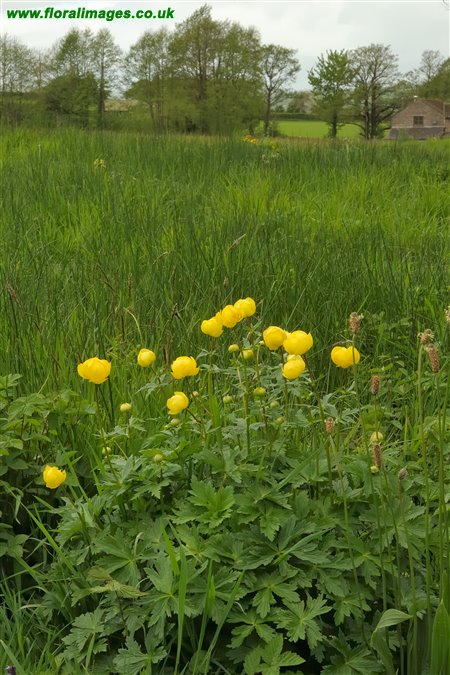
And then next day Steph and I were looking at Globeflowers of a tributary of the Llynfi:


(A very species rich meadow in private ownership.)

Friday, May 02, 2014

Ignore the forecast

I do watch the weather forecast but Thursday was the only day I could manage and it didn't look too bad... So I was very pleased that three joined me for a spot of recording in Cwm Cadlan with the off-chance of confirming a record from 1983 of a rather unlikely (but not impossible) species of Mouse-ear. We didn't find it but intriguingly found habitat it wouldn't be out of place in and the two common relatives were there as expected. But best of all we had glorious weather - even sun and some great views, albeit after a dampish but bearable start.
Eating our lunch with this view:

I was very glad Paul Green was with us - in the grazed turf there I would have taken twice as long to find half as much. As it is I learnt several species in minimal vegetative state under Paul's guidance. We even saw some dandelions which I was able to say half-literate things about.

Common Whitlowgrass, Llysiau’r-bystwn ar or Erophila verna - abundant in places
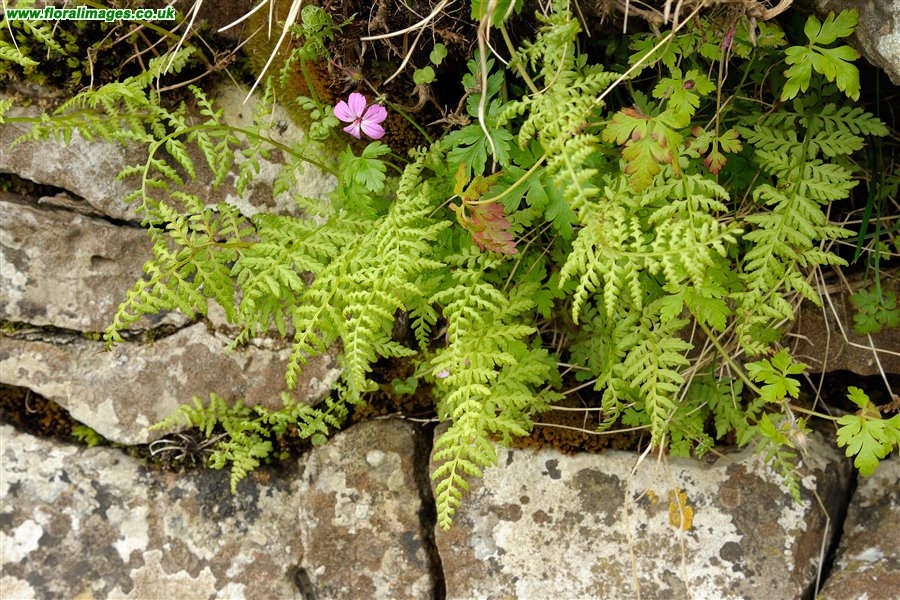
Brittle Bladder-fern, Ffiolredynen frau or Cystopteris fragilis in the rock crevices
Looking back as we returned.
 
Botanising along the rock ledges
An old lime kiln used by locals in the past ?


And finally - a preview of the Pwll y Wrach walk at the Talgarth festival on Sunday (when the weather is set fine). Many thanks to Dainis Ozols for the picture and especially for clearing our path for Sunday.