Pages

Tuesday, July 23, 2019

A Summary

Llangorse - the second day of BSBI Plant Families course where participants were asked to work out which family the many plants that grow there belonged to - this one was tricky:
Common Meadow-rue, Arianllys or Thalictrum flavum

Then some explorations at the edge of the SENTA range to find some Atlas targets including:
White Sedge, Hesgen benwen or Carex canescens
This was right by the tree we selected for lunch after some searching of delightful spring flushes abundant with:
Marsh St John's-wort, Eurinllys y gors or Hypericum elodes
- not really flowering yet but on the verge - a picture of the flower from somewhere else:
Later we found:
Common Butterwort, Tafod y gors or Pinguicula vulgaris
- and driving home traffic lights at roadworks stopped me right by:
Agrimony, Llysiau’r dryw or Agrimonia eupatoria 

Then an exporation in and around Traeth Mawr near the Visitor Centre for various missing species. All pictures from Arlene as I didn't take any: (These were not necessarily missing species for the Atlas - just worth a photo!)

Lesser Water-plantain, Llyriad-y-dŵr bach or Baldellia ranunculoides
(In more places than I remember from before)

Bog Pimpernel, Gwlyddyn-Mair y gors or Anagallis tenella
This was one we particularly wanted as yet to be recorded for the area since 2000 - found exactly where previously recorded and there was plenty in the lane.
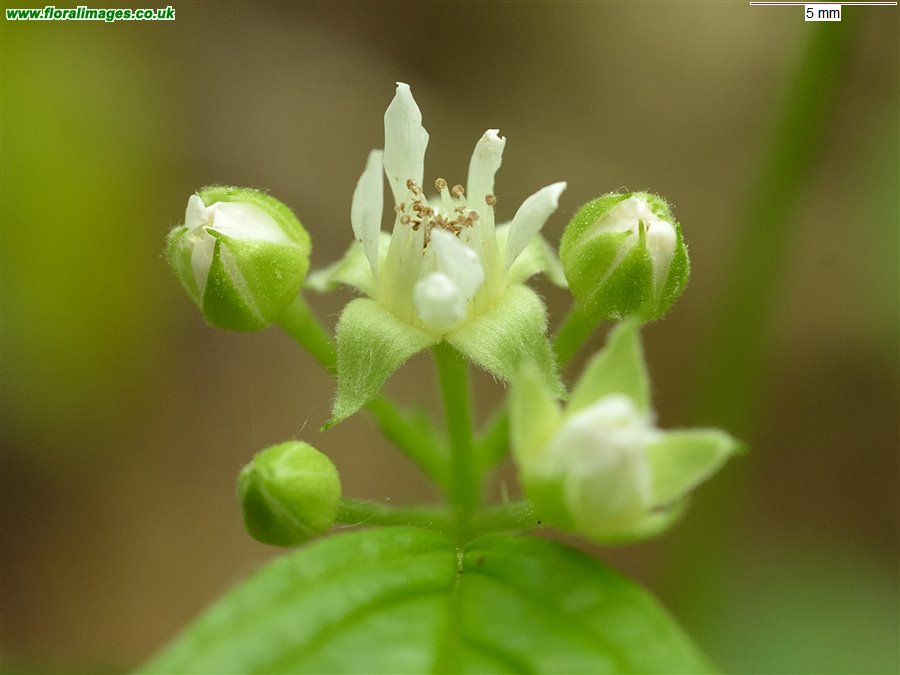
Black Bryony, Cwlwm y coed or Tamus communis

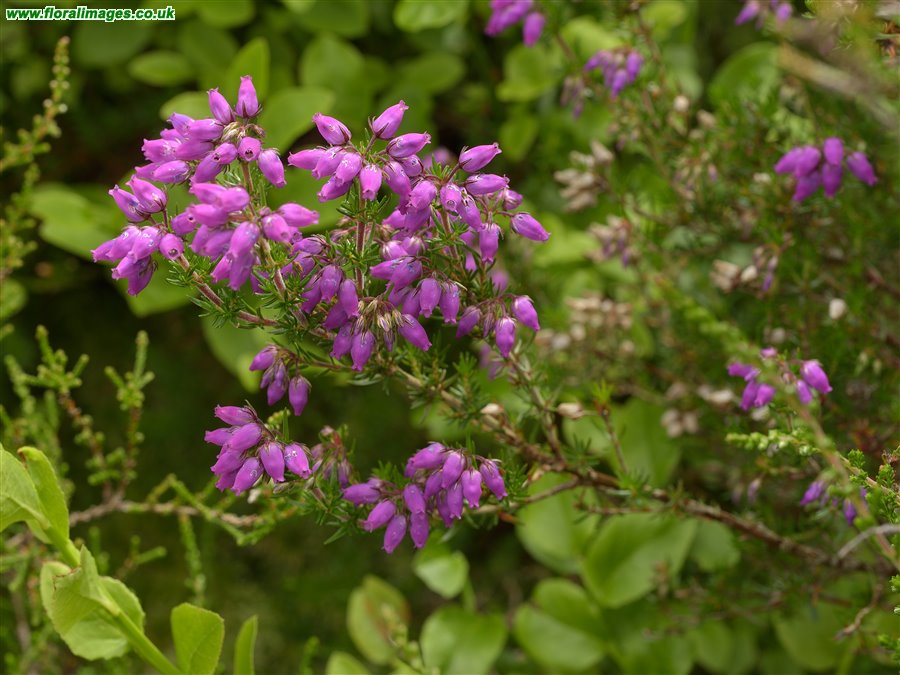
Cross-leaved Heath, Grug croesddail or Erica tetralix

Shoreweed, Beistonnell ferllyn or Littorella uniflora

Creeping Willow, Corhelygen or Salix repens


Sunday, July 07, 2019

Reservoirs Springs and Quarries

I've had a break but meanwhile members of the botany group had continued to record many plants including this:
Ivy-leaved Bellflower, Clychlys dail eiddew or Wahlenbergia hederacea
-recorded by Sue west of Upper Chapel.

Then on our way to the Elan Valley we noticed this at our meeting point in Llyswen:
White Bryony, Bloneg y ddaear or Bryonia dioica 
-which isn't that common in our county.

Up by the main dam (in our territory) we were wading through acres of common Ling with rather abundant:
Bell Heather, Grug y mêl or Erica cinerea
- in most of our county we feel privileged to find the odd plant...

We made a lot of good records but didn't find the rarity we were crossing our fingers for...

There was plenty of:
Small Cudweed, Edafeddog fach or Filago minima 
- on the dry trackways.

And abundant:
Oak Fern, Rhedynen dridarn or Gymnocarpium dryopteris 
- in the shadier parts and woodland.

--------------------------------------------------------------------------
Then we went to Cadair Fawr on the road from Brecon towards Penderyn to explore old limestone quarries where the Fairy Flax was very abundant but not photographed by me.

I did examine these Hieraciums which will take a little more identification effort on a return visit (we have to go back for the Euphrasias which were too young to be sure about.)

From there we went across the moorland, picking up other records for this little explored (botanically) area. Below the peak the limestone changes to sandstone and springs appear. Here we found many of the expected wet gound plants - a reduction of the grazing pressure could make it more I suspect.

Pictures from Sue:
 Brooklime, Llysiau Taliesin or Veronica beccabunga
Bog Pimpernel, Gwlyddyn-Mair y gors or Anagallis tenella

One of the springs:


And I finish with this from the A470 near Brecon - spotted by Joan (when she stopped to look).
Grass Vetchling, Ytbysen feinddail or Lathyrus nissolia

Saturday, June 22, 2019

The last two weeks

The first week started with a report of a rarity growing near Brecon:
Greater Broomrape, Gorfanhadlen fawr or Orobanche rapum-genistae

This is a rare plant nationally and declining in Brecknock so it was good to hear of a previously unknown population from Phil. Like other members of its genus, this grows on the roots of another plant so does not need leaves or chlorophyll. This species grows on Gorse or Broom (and other woody members of that family) so there should be plenty of host plant for it around here! Maybe we don't inspect Gorse bushes enough. In this case the Gorse in question had been severely cut back - maybe prompting the plant underground to send up flowering spikes.

--------------------------------------------------------------------------------------------------

I went to the Llyn Brianne Dam area the next day, mainly for a guided geological session but did make some records of local specialities.
Just out of county looking south from the dam.
We lunched here (Soar y Mynydd Chapel).
This was abundant but not yet flowering on some of the rocks in the area:
Sheep's-bit, Clefryn or Jasione montana (at Stanner Rocks in Radnorshire).

-----------------------------------------------------------------------------------------------------

Then the BIS Bioblitz at a farm near Hay saw two of us fighting our way up the local stream to see what was growing. There was a lot of Woodruff:
Woodruff, Briwydd bêr or Galium odoratum
Growing with Wild Garlic, Allium ursinum, and Dog's Mercury, Mercurialis perennis, in this picture.
The Wild Garlic was abundant. Ray Woods (coming in the other direction) spotted Alternate-leaved Golden Saxifrage first and it was quite abundant in calcareous flushes:
Alternate-leaved Golden-saxifrage, Eglyn bob yn eilddail or Chrysosplenium alternifolium 
Leaves scattered in a calcareous woodland flush. 

And there was this to talk about around us as we had our lunch in the farmyard:
Annual Pearlwort, Corwlyddyn unflwydd or Sagina apetala 

--------------------------------------------------------------------------------------------

I called in on a road verge in Pontsticill where we had seen dried husks of a member of the Pink Family (Caryophyllaceae) in November. This wasn't what I expected:
Corncockle, Bulwg yr ŷd or Agrostemma githago 
An arable weed of the past but, in this case probably derived from a wild flower seed mixture. Still it adorns the verge well. We had been checking out the Brecon Mountain Railway:

--------------------------------------------------------------------------

A foray down the upper reaches of the Honddu (Brecon's river that joins the Usk there) led to a long list of records and we visited this cliff on one of the tributary streams where Wood Bitter-vetch was found in 1988. It's still there, clinging on and avoiding the sheep that have led to it not being elsewhere in the area.
Wood Bitter-vetch, Ffacbysen chwerw or Vicia orobus 
North of Upper Chapel on a cliff face. 

------------------------------------------------------------------------------------

Finally, last Thursday we were set a challenge at the Caring for God's Acre meeting near Beulah (Eglwys Oen Duw) where we were told of a record from 1991 for Ivy-leaved Bellflower for the graveyard. It's not classic habitat for this but we looked, I missed it, and then Steph spotted it when peering down to examine a Heath Speedwell that one of the participants had asked about. 
Ivy-leaved Bellflower, Clychlys dail eiddew or Wahlenbergia hederacea 
That is the confirmatory picture from my phone (after some more looking around we found one flower) but here is a nice picture of this lovely little flower from the east of the Abergwesyn Commons:
After the meeting, Sue and I did some more recording in the area, finding a good patch of Wood Horsetail and some Cow-wheat:
Wood Horsetail, Marchrawnen y coed or Equisetum sylvaticum
Common Cow-wheat, Gliniogai or Melampyrum pratense

Sunday, June 09, 2019

Busy Times

Three outings in a week. First to common land above Talgarth to get explore an area not looked at for Brecon Botany for a while and where we soon saw:
Ivy-leaved Crowfoot, Crafanc-y-frân dail eiddew or Ranunculus hederaceus
- which we see much less than Round-leaved Crowfoot here. This was the one that inhabited this area though.

Also near where we parked as this Birch which had all the hallmarks of Betula celtiberica (now Betula pubescens subspecies celtiberica I believe).

The older members of the party took the easier route to the headwaters of the Rhiangoll, crossing over a low part of the Dragon's Back, but young Steph offered to take a look higher up and found this on rocks.
Hairy Rock-cress, Berwr-y-cerrig blewog or Arabis hirsuta
- the first record for this 10km square since Shiela Leitch found it not far away at a similar height in 1972.

---------------------------------------------------------------------------

Then some explorations near the Wye at Newbridge with Ray Woods where we saw another water-crowfoot in a quiet bend in the river.
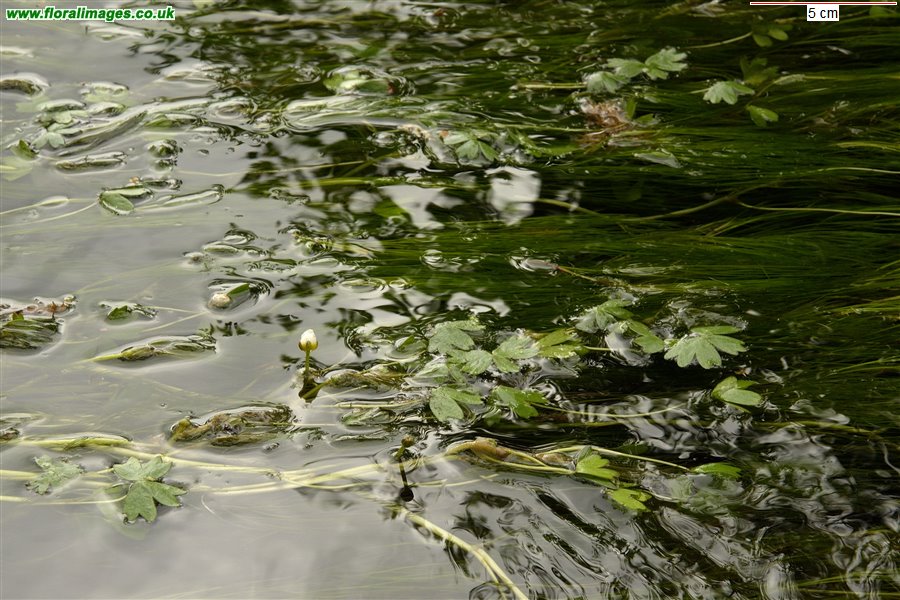
Common Water-crowfoot, Crafanc-y-frân y dŵr or Ranunculus aquatilis

Ray took us to see the Stone Bramble that grows in a wood there.
Stone Bramble, Corfiaren or Rubus saxatilis

-------------------------------------------------------------------------------------

Finally to a section of the A40 - or the paths and streams either side of it between Trecastle and Halfway. I had just had a report of a splendid display of Pyrenean Lilies just by the road so we had to check that out.

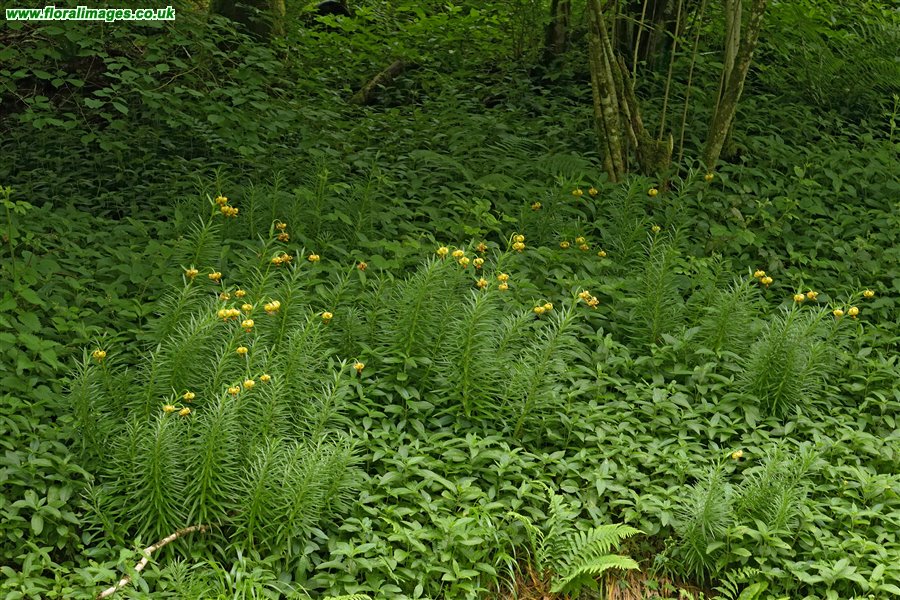
Pyrenean Lily, Lili ddrewllyd or Lilium pyrenaicum
Obviously not native but equally obviously happy in their new home.

The Honeysuckle could be quite rampant.
Honeysuckle, Gwyddfid or Lonicera periclymenum

Needless to say a lot of records were made - many of them being plants that haven't been recorded for some time in the areas we visited.

Friday, May 31, 2019

Woodland with benefits and Llanwyrtyd not so rarities

But first the gap between this and the previous post was taken up with the BSBI Welsh AGM - of which a short pictorial summary:

This is what a group of eminent botanists looks like.
 And thanks to them this was spotted on Burry Port sea front:
Hairy Buttercup, Blodyn-ymenyn blewog or Ranunculus sardous

We were taken to see this which has taken up residence where a Power Station used to be:
Prostrate Toadflax, Llin-y-llyffant gorweddol or Linaria supina

Then at a lovely limestone site in land we saw a lot of good things including:
Marsh Cinquefoil, Pumnalen y gors or Comarum palustre (Potentilla palustris)
- which we don't often see in Brecknock.

And at Pembury Dunes we saw a lot more including:
Brackish Water-crowfoot, Crafanc-y-frân y morfa or Ranunculus baudotii

There were also talks and general Botanical chat...

------------------------------------------------------------------------------------------------------------

Back in Brecknock we (the Brecknock Botany Group) went to a woodland where the owners wanted to know what they had growing there.

The most unexpected species was:
Coastal Redwood, Cochwydden Califfornia or Sequoia sempervirens 

A row of five of these trees that was well-established on what would not seem to be its natural habitat on a dryish hill in Brecknock.
It is one of the few such conifers that is capable of regrowing from a stump / fallen log as here:
There were plenty of good native plants as well including Moschatel (Town-Hall Clock), Sanicle and plenty of Bluebells. 
But, best of all, the owners had a barbecue and coffee with cake available to sustain us!

------------------------------------------------------------------------------------------------------------

We could have done with such support for our day near Llanwrtyd where the requirements of the Atlas project required us to search for continued existence of such gems as Dog's Mercury, Moschatel and Wood Anemone. We found most of the list - with only Field Maple defeating us. The Dog's Mercury was in a hedgerow quite near where we parked but we didn't see any more all day. So it is comparatively rare there. It was a wet but rewarding day.

The Wood Anemone was looking great on the banks of the Irfon:
Wood Anemone, Blodyn y gwynt or Anemone nemorosa


And there was Hornbeam along the Irfon bank:
Hornbeam, Oestrwydden or Carpinus betulus

----------------------------------------------------------------
Burry Port Lighthouse