Pages

Friday, September 13, 2013

Balsam pulling and exciting finds

The exciting news first. Brecon Botany Recording Group volunteers have made the first sighting in 29 years of a rare Bellflower near Crickadarn. It is also the first sighting in Brecknockshire for some time.
The Cricakadarn Campanula patula (Spreading Bellflower) 
photographed by Ruth Redmond-Cooper on 12th September 2013

Campanula patula or Spreading Bellflower likes hedgebanks and wood borders and occurs only in a few locations centred on the Welsh borders. It has been declining steadily in Brecknockshire for many decades and has only been seen since 1900 in two relatively small areas: the one where is has just been seen and the area around Llanigon, near Hay. It is a Biennial and hence depends on reseeding to survive. It is thought that regular movements of cattle in the lanes helped spread it in the past. Certainly the places where it has been seen relatively recently tend to be little used byways that may well have been popular cattle droves in the past (such as the path up Digedi valley above Llanigon).

But the good news is that it is worth keeping an eye out for these rarities as I had asked the member of the group who found it to watch out for this early in the year. (Other good news is that, in common with many annuals / biennals, seeds of this species can germinate after very long periods of resting in the soil.)

If you would like to join the Brecon Botany Recording Group please contact me. We have regular meetings but I can also come out to assist with monitoring in your local area or to look at unusual plants you may have found.

The weekly meeting this week was to revisit Llangors Lake - on the popular side this time. We recorded a large number of species and also saw some interesting hybrids such as:

Peppermint, a hybrid of Mentha aquatica and Mentha spicata
and Cirsium x celakovskianum, a hybrid of Creeping and Marsh Thistles
(Thanks for pointing both of these out go to Paul Green, BSBI Welsh Officer.)

The Balsam pulling was to try to control this pest (Himalayan Balsam) in a meadow near Crickadarn (again) that is host to some good patches of Globeflower.
Thanks to Steph for the pictures:


In case you need reminding what Himalayan Balsam, Impatiens glandulifera looks like!

Finally I have a correction  to report. Our find of Tasteless Water-pepper at Llangors a few weeks ago wasn't - it was in fact the nearly-as-exciting Small Water-pepper (which is also tasteless). See the corrected blog at http://floralimages.blogspot.co.uk/2013/08/llangors-lake-llyn-syfaddon.html.

Thursday, September 05, 2013

Exploring the borders

Llyn Fan Fawr
A rather hasty blog this week as I am off to Shrewsbury for the annual BSBI Recorder's Conference tomorrow. No takers for the group again for my Llyn Fan Fawr / Fan Breicheiniog excursion on Tuesday so my wife, Barbara, came along. It proved to be a useful scouting expedition for another recording meeting next year.
We started out from the parking place with this view of our destination. The going proved relatively easy but the path on the map and the actual trodden paths proved to be non-coinciding - and the path on the ground wasn't visible at all at times - but deciding a heading wasn't difficult and the river crossings were all easy as were the boggy bits. It does depend though on a spell of dryish weather for this I guess.

I recorded two 1 km squares on the way up and it proved to be relatively low interest as predicted by Mike Porter. This was disappointing as I was struck by the richness of the streams flowing the other way "round the corner" in Carmarthenshire earlier in the year on a Hay U3A geology walk there. The clue is in the choice of location for the geology trip of course.

Still recording the atlas project requires good lists of what is there - even if not much. By the time we got back there were 70 records altogether but many of these came from up by the lake.


The lake itself wasn't exactly abundant with water life either but the margins proved better and I went to investigate the western shore while B. did some reading.


This was encouraging as getting to the rocks shown was easy and safe - I am the white dot lower right of centre under the first rock outcrop. Getting to the upper outcrop was also easy and, in fact there is a ravine going up to the top here that looks negotiable with care. The rocks here were some sort of conglomerate (geology again) and clearly species rich. I was able to do some vegitatively but another trip next year to see the flowers would be well worth it.


 Amongst the highlights for this short exploration was Fir Club moss - Huperzia selago (above).  And Butterworts (below) were also in evidence - having been conspicuous by their absence on the way up (despite plenty of habitat).


So this will be a good place for a meeting next year - with a quicker 1.5 mile trek to the lake as we won't need to record that part next year.

Today I was called out to see some road verge plants near Crickadarn. The Hypericum (St. John's Wort) proved to be a hybrid between Perforate and Imperforate St. John's Worts but next to it was some Hypericum pulchrum, Slender St John's Wort and also Orpine - so well worth the call out.

Orpine, Sedum teliphium

Do contact me if you see something unusual near where you are (in Brecknockshire) - I'm happy to come and investigate.

Friday, August 30, 2013

Pottering about


A week of minor activities. Cantref Pond was interesting - it needs some management which is why the residents who co-own it wanted advice from Brecknock Wildlife Trust but the flora is an odd mixture. The pond is old (on 1800's maps) but has presumably been through some changes of management style over the years.

 Steph examining the fauna
 Schoenoplectus tabernaemontani, Grey Club-rush (probably)
A water scorpion

The botanical survey revealed Lemna trisulca amongst a small variety of water plants and also the Schoenoplectus species pictured above that hadn't read the book and hence is a little uncertain. Probably as labelled though.

On Tuesday Steph and I visited several RVNRs looking for their notable species (and finding all but an elusive Hairy Saint John's Wort). We then popped into Llangasty to brush up on Persicarias - resulting in some updated pictures for last week's blog.

And then on Wednesday I "popped" into Allt Rhongyr Nature Reserve to be treated to a really good display from over 100 Autumn Gentians:


(And see picture at the head of this post.)

Sunday, August 25, 2013

Llangors Lake (Llyn Syfaddon)

It was the largest lake in Wales before Lake Bala's level being raised by Thomas Telford so we could not hope to cover the whole shoreline on Thursday but we did get to explore a restricted area, thanks to permission from the Brecon Beacons Park Authority.

This proved to be well worth doing as we found one new species for the county and re-found several that are not often seen.

It was also our best turnout this year (a joint meeting with BWT and my recording group) so we split into two groups each with a really good botanist as Paul Green and Mike Porter were both with us.

In all we found 220 different species and made 333 records. We were treated to a great show of the Knotweed family with five species of Persicaria all in close association and including Persicaria mitis, or Tasteless Water-pepper* Persicaria minor, Small Water-pepper which has not been seen there since 1975. It was Paul who spotted this and the rest of us then were able to find more plants once we "had our eye in". I am doubtful we would have spotted this otherwise (Mike was in the other group !). Heather confirmed for us that is was indeed tasteless.
Persicaria minor, Small Water-pepper
Again, Persicaria minor, Small Water-pepper

Here are some of the others:
Redshank, Persicaria maculosa

Water-pepper, Persicaria hydropiper

Another good find was Needle Spike Rush, Eleocharis acicularis:

Among other highlights were finding five different Duckweeds (aided by Paul's expertise):
Lemna gibba, Fat Duckweed
Lemna minuta, Least Duckweed
Lemna trisulca, Ivy-leaved Duckweed
Lemna turionifera, Red Duckweed and
Spirodela polyrhiza, Greater Duckweed

Lemna gibba, Fat Duckweed (not taken on Thursday)


* Yes there was a blunder in the original identification. Anyone who cares to ask can have the gory details - it wasn't typical P. minor but then it wasn't P. mitis either. 

Thursday, August 15, 2013

Mainly wet places

Here are two more pictures from Traeth Mawr the week before. Thanks to Joan Millard for these !


Three short site visits this week. On Monday I went to the tip of Llangors lake where the Llnfi flows in and saw an abundance of good marginal plants. One was Golden Dock:


Scutellaria galericulata, Skullcap was also abundant but that has been featured here already...

I went to Traeth Bach on Tuesday to see if I could add to the previous Thursday's records from this smaller mire in the same 1km square as Traeth Mawr. So it was good to find Ragged Robin which we hadn't seen the week before as well as very abundant Marsh Cinquefoil at this site and a few other extras. So it was well worth exploring and getting a feel for this area.

I came across one of the springs that feed the bog and filmed it:


Then today, in view of the weather forecast I decided to stay close to home and went up to a site just under Hay Bluff where Pillwort has been recorded in the past. I found three pools with varying amounts of this strange little fern - one of them more lush with it than I have seen before:

The light green sward is Pillwort

In this close up you can just see in the background a leaf unfurling in characteristic fern style...

Other highlights included:

Common heather abundant in less grazed grass

and Lesser Skullcap amongst the Gorse

Friday, August 09, 2013

Plants you don't see often

Early in the week I revisited Talybont reservoir to check some records and extend the area covered. It was a pleasant surprise therefore to find something new in a cleared area by the shore. Climbing Corydalis, Ceratocapnos claviculata isn't rare really but it also isn't something you see every day:
Then we had a good attendance for our Wildflower Society sponsored day at the Brecon Beacons Visitor Centre. We had a good morning at the raised mire - Traeth Mawr nearby seeing several plants you don't see every day in Brecknockshire and three that grow only there in the county. 

This picture from Owen sums up a great day for botanists well:

And here are the plant pictures:
Few-flowered Spike-rush, Eleocharis quinqueflora
Great Fen-sedge, Cladium mariscus
Marsh Pennywort, Hydrocotyle vulgaris - flowers of this common plant which are not so often seen
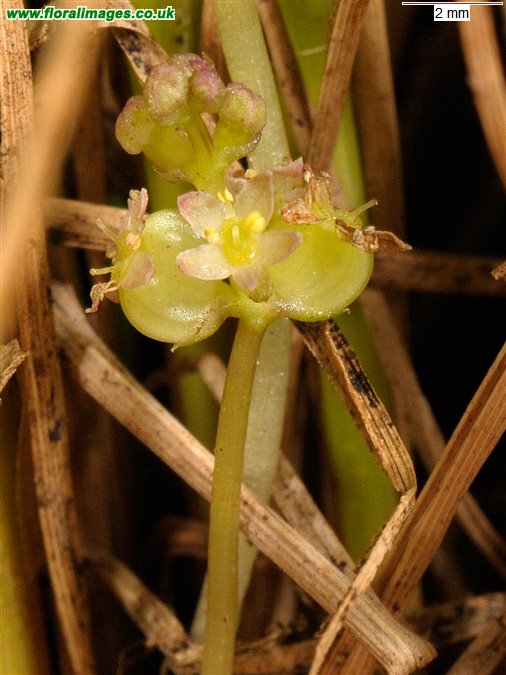
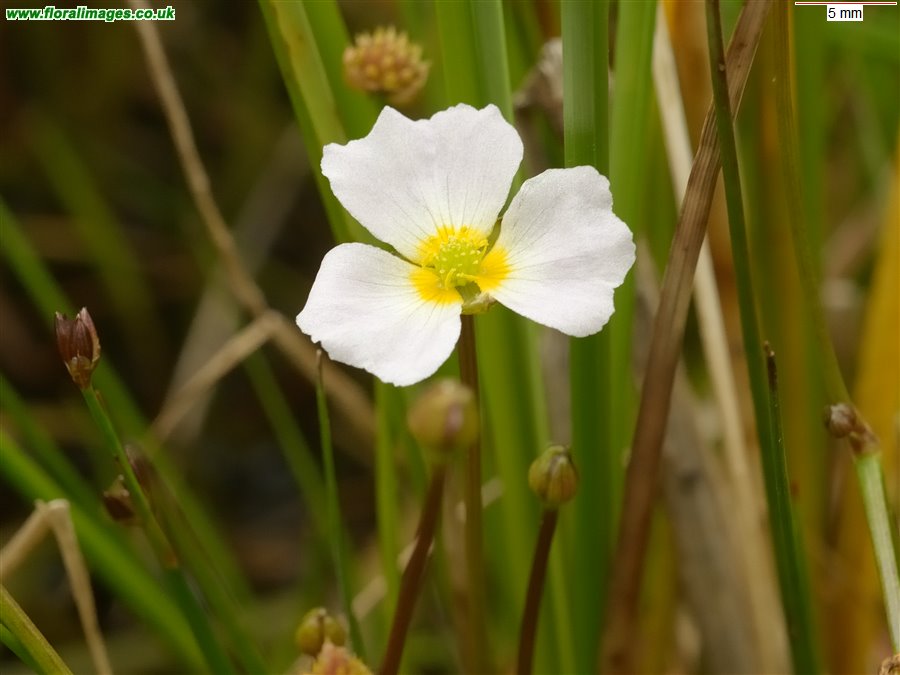
We missed flowering of the Baldellia ranunculoides but even the fruits are photogenic
A reminder of the flower from an earlier blog post.
We spent the afternoon examining specimens under microscopes provided by Brecon Wildlife Trust and the Biodiversity Information Service (BIS) and confirming identifications using a range of books. 


Friday, August 02, 2013

Rare plants and reservoirs

On Tuesday I joined Jon and Stephen to look for Serrated Wintergreen at Craig Cerrig-gleisiad. I needed their experience and expertise as it is tricky to find in an environment requiring great care:


Be assured we were careful but it was exhausting and it wasn't until we had almost given up that Stephen found it and cautiously took us to it:

Orthila secunda, Serrated Wintergreen somewhat past its best.

It's good to confirm it is still there as it is the only site in Breconshire - or indeed for some area around. This year has been a difficult one for predicting flowering - with many species late and this one early as it turned out.

Stephen Marshall also photographed some other choice plants in the area:
 Parsley fern, Cryptogramma crispa
 Welsh Stonecrop, Sedum forsterianum
Lesser Meadow-rue, Thalictrum minus

Then on Thursday several of us joined Steph on the hottest day of the week for a rewarding continuation of the ongoing examination of the south end of Talybont reservoir. It was a great day for plants with many unexpected ones turning up on the banks of the stream flowing into the reservoir - no doubt because it was bringing limestone influenced water down from above.

See the pictures:
Amphibious Bistort where the Caerfanell enters the reservoir
Small Cudweed
Skullcap - the bigger relative of last week's Lesser Skullcap
Carline Thistle
Upland Enchanter's Nightshade
and finally
... a Foxglove with a serious growth anomaly...