Pages

Saturday, June 13, 2015

A nice find, North Wales and more Orchid hunting

A bit of a catch up as we set of for a week's break immediately after the Wildlife Trust guided walk at Ystrad Fawr Nature Reserve. We progressed slowly - there was so much to see in this new and as yet not fully explored reserve!

It was nice to find abundant Changing Forget-me-not - named because the flowers change colour from first opening as the inflorescence unrolls. (Starting yellow and progressing through white to blue.)
Changing Forget-me-not, Sgorpionllys amryliw or Myosotis discolor

And there was a large patch of Northern Marsh Orchids:
Northern Marsh-orchid, Tegeirian-y-gors gogleddol or Dactylorhiza purpurella

Plus plenty of Water Horsetail:
Water Horsetail, Marchrawnen y dwr or Equisetum fluviatile

But the Pearly Everlasting wasn't flowering yet - the first of some "too early" moments this very late season:
Pearly Everlasting, Edafeddog hirhoedlog or Anaphalis margaritacea

And the real find came a week or so later when Steph was out with a volunteer:
Royal Fern, Rhedynen gyfrdwy or Osmunda regalis

This is known in the area but hadn't been seen here before and is not a common find at all in Brecknock.

On the way back we called at Cae Bryntywarch as Phil had alerted us that Petty Whin had been seen (not spotted there in recent years). It proved easy to find from some excellent sight lines provided by Phil. (Not difficult to spot when flowering actually but very hard when not.)
Petty Whin, Cracheithinen or Genista anglica

And it was nice to see one Wood Bitter-vetch had flowered:
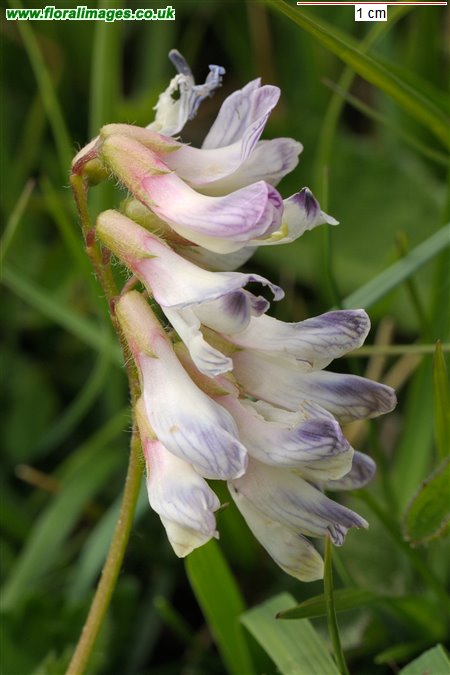
Wood Bitter-vetch, Ffacbysen chwerw or Vicia orobus

Then we had our week off in Snowdonia and I photographed only things that took my fancy:
Heath Milkwort, Amlaethai’r waun or Polygala serpyllifolia
(Especially showy this year maybe? Common in our area as well and not easy to distinguish from the "common" species. There are differences in the lowermost leaves and the outer sepal shape.)

Hare's-tail Cottongrass, Plu’r gweunydd unben or Eriophorum vaginatum
Also common with us.

Here is just one snap from Snowdon:

On my return the Botany Group spent a day at Vicarage Meadows - looking for Small White Orchid which is normally in flower by this time - but wasn't. But we had a great time (as one always does there) and particularly said goodbye with cake to Paul Green who is returning to Ireland after his stint as a very helpful BSBI Welsh Officer who the Brecknockshire Botany Group will miss.

I try to photograph all Sedges when a) sure what it is and b) it's looking photogenic (for a sedge):
Carnation Sedge Hesgen lwydlas, Carex panicea or Carex panicea

Steph was delighted to find Marsh Fritillary Butterflys on the way to the cars through the lower meadow. We knew their food plant (Devil's-bit Scabious) was there but it was thought to be too isolated for them - so a great record.

At Cae Pwyll y Bo nearby the Globeflowers were wonderful and just at their peak. A great tribute to the management by staff and volunteers.
Globeflower, Cronnell or Trollius europaeus

And this is now very abundant in the lanes around there from a few small patches seven years ago. It's an alien invader but not by any means one of the worst...
Pink Purslane, Porpin pinc or Claytonia sibirica

Friday, May 29, 2015

Vicarage Meadows

This reserve is just a lovely place to be in even if you don't find what you are looking for:

Bluebells still at their best here near Abergwesyn and peppering the open meadow.

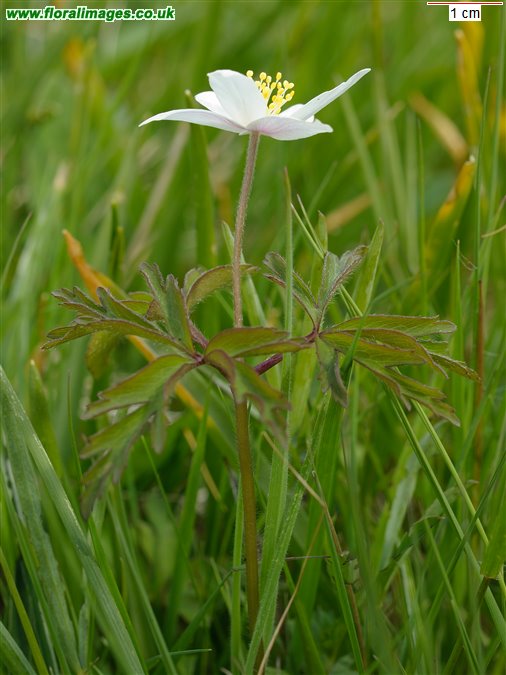
Another woodland plant that enjoys this meadow: Wood Anemone, Blodyn y gwynt or Anemone nemorosa


And the first Heath Spotted-orchids, Tegeirian brych y rhos or Dactylorhiza maculata also dotted around.

But no sign yet of the Small White Orchid. We did think we had found some developing Butterfly and Fragrant Orchids though which will be giving a good display we hope by the time of the meeting there on 13th June.

Update 12th June


The meeting has had to be cancelled as it transpires the "Man versus Horse" event at Llanwyrtyd will make access very difficult. But the orchids are late anyway - as reported in the new blog post. (Previously they have been seen flowering on 5th June 2014 and 13th June 2013 - it's been a cold early Summer up at Abergwesyn.)

Monday, May 18, 2015

Geology, Botany and Finding a Wood

We knew where the wood was - but how to get in ?

I had memories of being shown a route some years back and permission from the owner to go and explore for plants but in the event we had trouble finding a fence we could scale without damage (or getting ourselves soaking). The wood was in the general area of Llangorse and we made of on the lanes and through commons, circling around our goal and finding some good records on the way.

Water Avens in hedgerows (and its cross with Wood Avens) was one of the delights.
Water Avens, Mapgoll glan y dwr or Geum rivale
(not from last week)

When we stopped for lunch, Mike noticed that we had the true Spanish Bluebell alongside us - not actually that common "in the wild" unlike the cross between it and our native:
Spanish Bluebell, Clychau’r-gog Sbaenaidd or Hyacinthoides hispanica

In the wood I photographed:
Greater Stitchwort, Serenllys mawr or Stellaria holostea


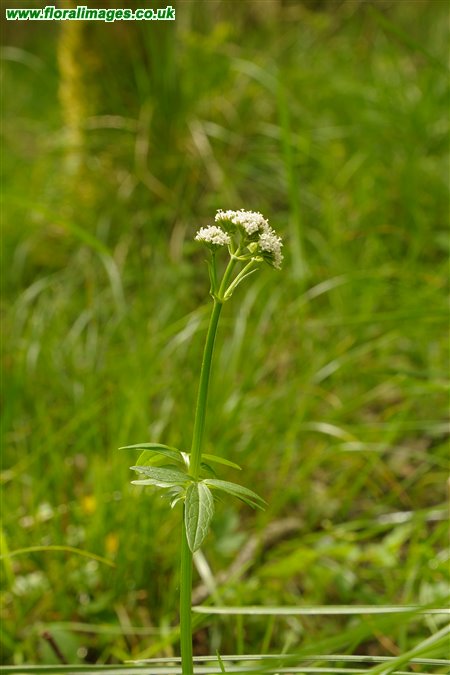
Marsh Valerian, Triaglog y gors or Valeriana dioica
(a female plant in this case)

and there were several very good specimens of:
Early-purple Orchid, Tegeirian coch y gwanwyn or Orchis mascula

Earlier in the week I had been on a geological walk organised by James Cresswell of Geoworld Travel and we visited Bwlch Quarry to see the signs of an ancient river profile in the Old Red Sandstone rockface:
Bwlch Quarry (long out of use)

But what was also interesting was the evidence all around us that Old Red Sandstone is not devoid of lime-rich layers which had contributed to a rich flora on the old quarry floor:

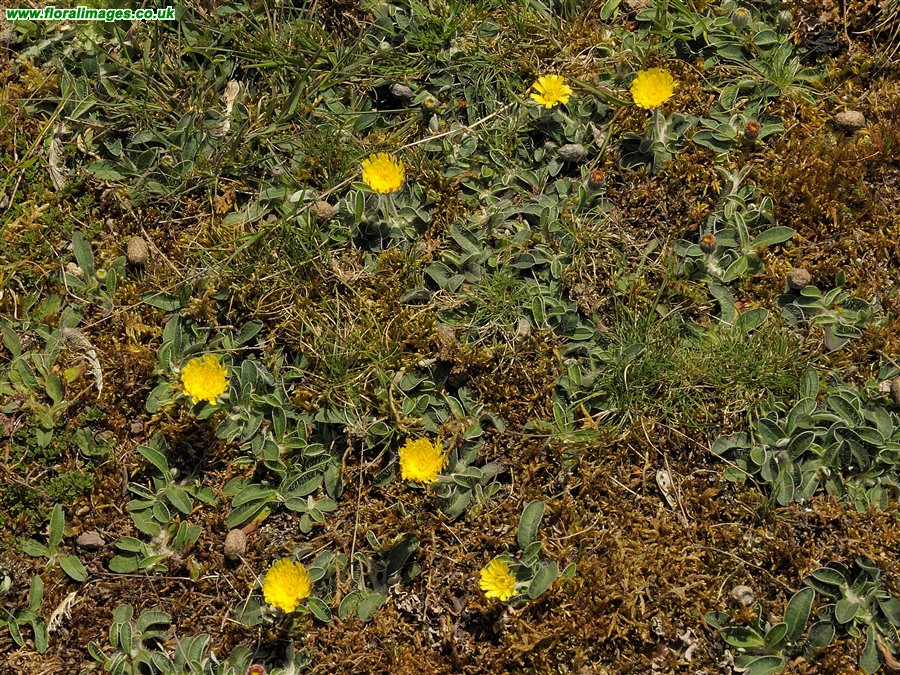
Mouse-ear-hawkweed, Clust y llygoden or Pilosella officinarum

There was a lot besides - mostly not flowering - including many Carline Thistles and it was nice to see:
Rustyback, Duegredynen gefngoch or Asplenium ceterach

- growing in a rock face which, even if still man-made, was more like its natural habitat than the usual stone walls it is found on.

Sunday, May 10, 2015

A busy week

The Digedi valley was my first outing last week - to take a group on the old route up towards Gospel Pass to see some of the remains of the days when it was "a busy highway" with a plant nursery and a school as well as to see some of the varied flora along the route. 

In the event it was too early for the Meadow Saxifrage and the Bladdernut that has presumably been there since the days of the nursery was cut down to the ground in clearing operations around the ford. There were signs of regeneration though. 

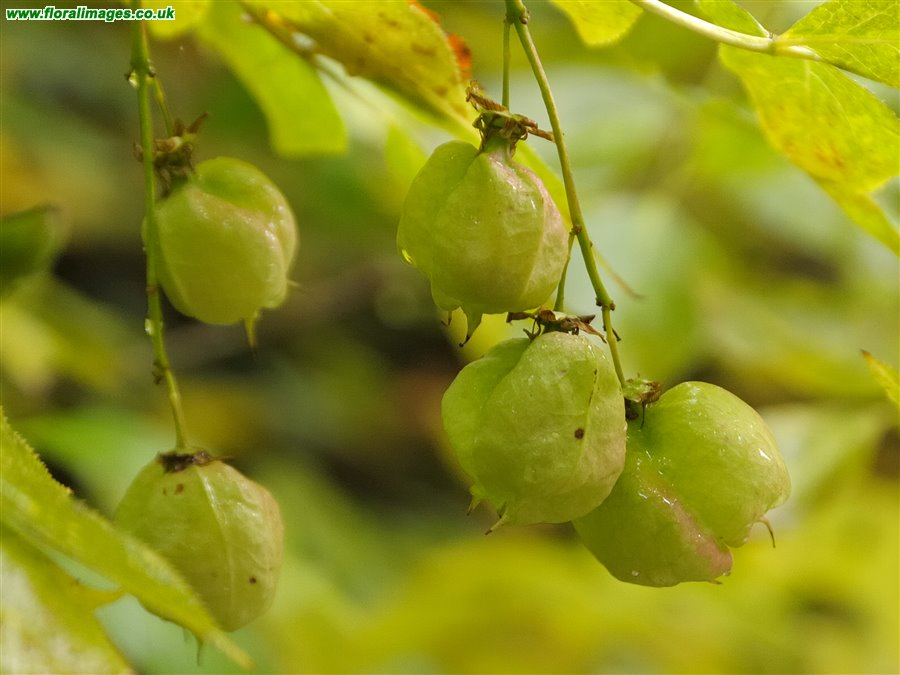
Bladdernut (fruits), Cneuen godog or Staphylea pinnata in 2012

At Penyrwrlod Serth (a deserted farmstead) we had a view of the daffodils being cultivated high in the Black Mountains. Presumably part of the ongoing trial for production of galantamine. Higher yields come from growing the bulbs in the more stressful (for the plants) conditions here.

Then I set out to chase up one or two things I wanted to see like this Solomon's Seal growing by the hedge outside Trefecca:
Garden Solomon's-seal, Llysiau-Solomon yr ardd or Polygonatum x hybridum 

and then further west in the county to see this flowering:
Soft-leaved Sedge, Hesgen feddal or Carex montana

Soft-leaved Sedge isn't found in many parts of the the British Isles but we have good populations in Brecknock.

In Cae Bryntywarch Nature Reserve Lousewort was dotted everywhere.
Lousewort, Melog y cwn or Pedicularis sylvatica

Then I joined a Royal Commission on the Ancient and Historical Monuments of Wales walk right on our borders - we walked out in Brecknock, went round the source of the Usk and returned through Carmarthenshire. It's wild country and I made some records of the more obvious species seen but it was mainly about stone circles, sheepfolds and other relics of the past.
The young Usk

A deserted stone sheepfold

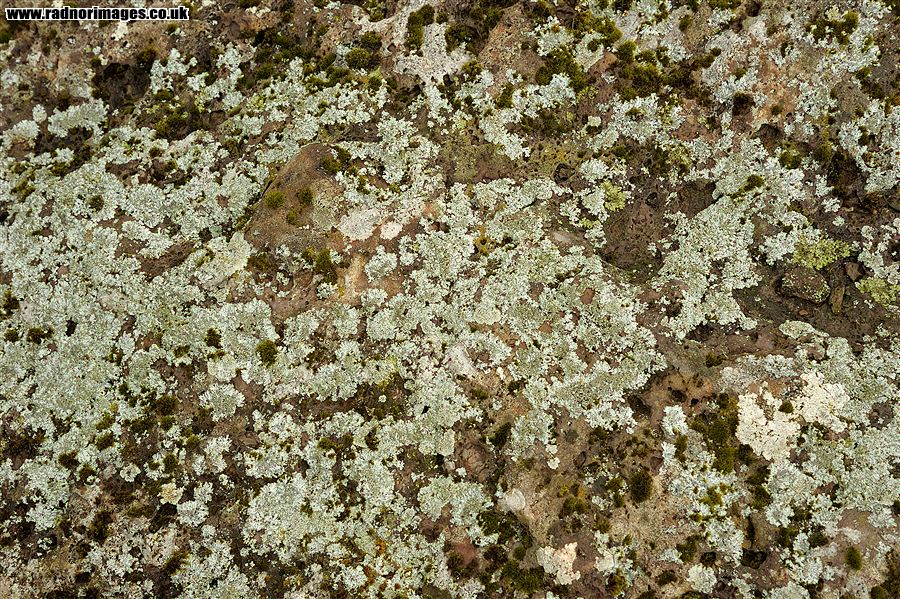
Lichen encrusted rock - part of an alignment

Close up

And little streams like this to go back and explore more...

Monday, May 04, 2015

Talgarth Walking Festival

Having agreed to lead a walk up from Talgarth to Trewalkin Meadow Nature Reserve for the festival we set out to do some route checking (and plant recording) earlier in the week.

On the old railway line near Talgarth (private land with special access permission for the Festival) we found a large patch of Goldilocks Buttercup, an annual with a distinctive stance and, usually, rather imperfect flowers with missing petals. These however were mostly well-formed - clearly a superior Brecknockshire form!
Goldilocks Buttercup, Blodyn-ymenyn peneuraid or Ranunculus auricomus

There was plenty of native Yellow Archangel and also some of this garden form in the area:
Yellow Archangel (Garden form), Marddanhadlen felen or Lamiastrum galeobdolon subsp. argentatum
The main difference of this form is the leaves with silvery-white blotches.

When exploring the railway line some of us took the old Tramway route, others the old railway and the two intrepid members of the group the high ground in between at this point:

Up at the reserve on the day of the walk it was early for many things like Greater Burnet (although we found one plant starting to send up flowering spikes). But Water Avens (and its hybrid with Wood Avens) was already abundant - and reminded us that we were lucky to be able to get around so easily and even picnic in what is normally a very wet place.
Water Avens, Mapgoll glan y dwr or Geum rivale

In the wooded area there was Wood Spurge as well as a ground carpet of Sanicle, Opposite-leaved Golden-saxifrage and more. There was even one just-starting-to-flower Early Purple Orchid, spotted by Bev from the Wildlife Trust.
Wood Spurge, Llaethlys y coed or Euphorbia amygdaloides

Picnicking in Trewalkin meadow isn't always this easy!

Sunday, April 26, 2015

Not Brecknock

... Apart from the view from the A40 on the way to Fishguard and then Ireland.

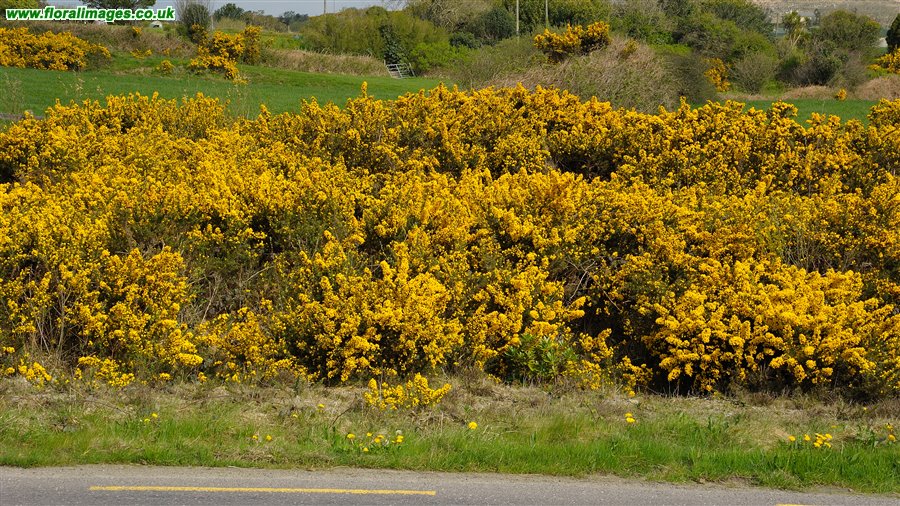
Noticeable all the way was the abundance of flowering that has been unleashed in the dry and warm spell over the last two weeks. Primroses forming bright domes of yellow with the plant quite hidden along the roadsides were one of the highlights particularly in Pembrokeshire and then in Ireland we were stunned by the displays of Common Gorse. The latter I did manage to photograph:

Gorse, Eithinen Ffrengig or Ulex europaeus near Bantry, West Cork

And then after climbing Knockboy - the highest mountain in County Cork (no great boast really) I was delighted to see a large patch of Crowfoot on the way down:

Round-leaved Crowfoot, Crafanc-y-frân y rhostir or Ranunculus omiophyllus
(I've no idea what the Irish for this is)

Some views from Knockboy:
The mountains of Kerry in the distance

You can still just see where these Kerry fields once went right to the top - when Ireland had the highest population density in Europe
Lough Boy - below Knockboy

Now today in a short excursion into Herefordshire (walking from home in Hay) I was met by hedgerow displays of Greater Stitchwort and Yellow Archangel - so spring has sprung and Brecknock is waiting to be explored...

And finally some more of that Gorse:

Saturday, April 04, 2015

Butterbur again

Paul Green spotted the Giant Butterbur patch near the car park in Builth Wells last week. See his pictures on his blog. Meanwhile I spotted a patch of the same species in Cwmdu - which I had been told about by one of my recording group last year. This was on the way to Abergavenny. On the way back we stopped for coffee at the Cafe - highly recommended to all those who, like us, have passed many times and not stopped. (Mynydd Ddu Tea Rooms) So here are some pictures of this Butterbur site.
Giant Butterbur or Yr alan mwyaf, Petasites japonicus on the verge in Cwmdu
Not a typical habitat for this species and there was none on the other side of the hedge that I could see - so maybe off a lorry tyre ?

Saturday, March 28, 2015

Daffodil day

We set out last week to check some of Brecknockshire's known sites for Narcissus pseudonarcissus, the native Daffodil. This is something I haven't done much yet - spending a day on one genus.

Not many yet flowering at Cilmery

Of course it is difficult to say in any particular case whether a population is actually natively growing where it is and the preponderance of churchyards in the known sites can be seen two ways - maybe as sites that preserve the ancient flora of the area or maybe places where people have brought Daffodils in from the local woods in the past. Certainly nowadays garden centres and gardens have become a source for churchyard plantings as we saw only too clearly.
 Getting the close-up

But the populations of Narcissus pseudonarcissus were still there (and we found some new ones to record as well). Some have obvious significant variation with not all plants conforming to the keys and other are much more uniform. Again it is difficult to be sure why this is but certainly some locations seemed to have Daffodils such as N. macrolobus, Pale-flowered Daffodil which is similar to the native species and others had variation between the two.
Pale-flowered Daffodil or Narcissus macrolobus at Llanfilo

We also saw many clumps of clear garden origin, most of which we didn't try to identify but several species of the less-selected types turned up repeatedly such as a double form of N. pseudonarcissus as well as N. x monochromus, Reflexed Daffodil (probably a variety known as "February Gold") and Narcissus hispanicus, Spanish Daffodil.

Llandewi'r Cwm Church with Daffodils

Certainly a day of immersion in Daffodils and the Stace Key led to us having a better feel for the genus and what to look out for. We need more Daffodil spotters in Brecknock as I feel the number of sites with reasonably authentic N. pseudonarcissus is probably under-counted. We found it for instance at the small Ebenezer Chapel near Upper Chapel on the Epynt where I don't think is has been recorded before. It was also confirmed (and abundant including the area around) at Cilmery (the Church of St Cannen, Llanganten).

Daffodils at Ebenezer Chapel

Look out for smallish Daffodils (not the tiny Tete a Tete though) growing more individually (ie less clumped) with a long nearly parallel-sided corona that is darker than the petals (tepals to the purists). The true native plant holds its flower at best slightly above horizontally - and often drooping.
Daffodi, Cenhinen-Bedr wyllt or Narcissus pseudonarcissus at Llandewi'r Cwm Churchyard
and high above a lane very near Brecon.
A rather small remnant (?) population at Llanfilo under the Yew.

Saturday, March 21, 2015

We climbed all over Craig y Rhiwarth and all we got was this *** Celandine

Well not quite - and it is a delightful Celandine:

Lesser Celandine or Llygad Ebrill, Ficaria verna (Was previously known as Ranunculus ficaria)

We were hoping to find Wood Spurge or Llaethlys y coed, Euphorbia amygdaloides which was last seen at this reserve in the 1980s but didn't find any. That doesn't prove it isn't there though and maybe we were a little early (but it is well developed in gardens now). This Brecknock Wildlife Trust Reserve is steep with lots of scree and boulders that are easily dislodged to imperil anyone below, so if you are thinking of having a look then do take care...

It was a lovely day though and we saw a lot else just beginning to grow but only the one Celandine was flowering on the sloes that we came across - there are many on the roadside verges now.

And we saw Whitlowgrass or Llysiau’r-bystwn, Erophila where we parked in Brecon to share cars which may just be Erophila glabrescens, Glabrous Whitlowgrass or Llysiau’r-bystwn llyfn - watch this space.

Thursday, March 12, 2015

Green Hellebore

A group of us were exploring a site thought to have once been a monastery near Llangors today. It's also a site for Green Hellebore which grows in four known sites in the county. There may be more as it seems to do well where it does grow. Whether there is any connection with the site history we don't know.
Green Hellebore, Crafanc-yr-arth werdd or Helleborus viridis

Saturday, January 03, 2015

A good start to the New Year

... If a little cold and wet.

Seven of us set out on Saturday 3rd January to take part in the BSBI New Year Plant Hunt 2015. This is the fourth year of this event - the brainchild of Tim Rich and Dr Sarah Whild, Chair of BSBI's Training and Education Committee and this is the first year that the Brecknock Recording Group has joined in.


We didn't break any records for the number of plants found but think we did relatively well to find 18 19 different plants* flowering around Builth Wells. Of course we also saw many we recognised but could not find any flowers - including lots of Whitlow Grass which would be flowering like a shot given a fair bit of weather.

Two of these non-flowering species were quite significant - Hypericum humifusum, Trailing St John's-wort near the Bowling Green and Parietaria judaica, Pellitory-of-the-wall by a wall opposite the Bull in the picture. The latter may be a new record for the area we think and both of these were found by Andy.

The hunt rules: 
1. Pick one day over the New Year weekend between Thursday 1st and Sunday 4th January 2015, when the weather is decent enough to record in.
2. Record wild and naturalised plants (but not planted or garden species) in flower. Please check plants are actually flowering – that catkins are actually open, grasses have open florets, stigmas or anthers are on show etc.
3. Record for up to 3 hours.

We recorded for about 2 and a half hours - by which time, cars and flasks were calling.

* Hazel reminded me that she found a flowering Black Medick...